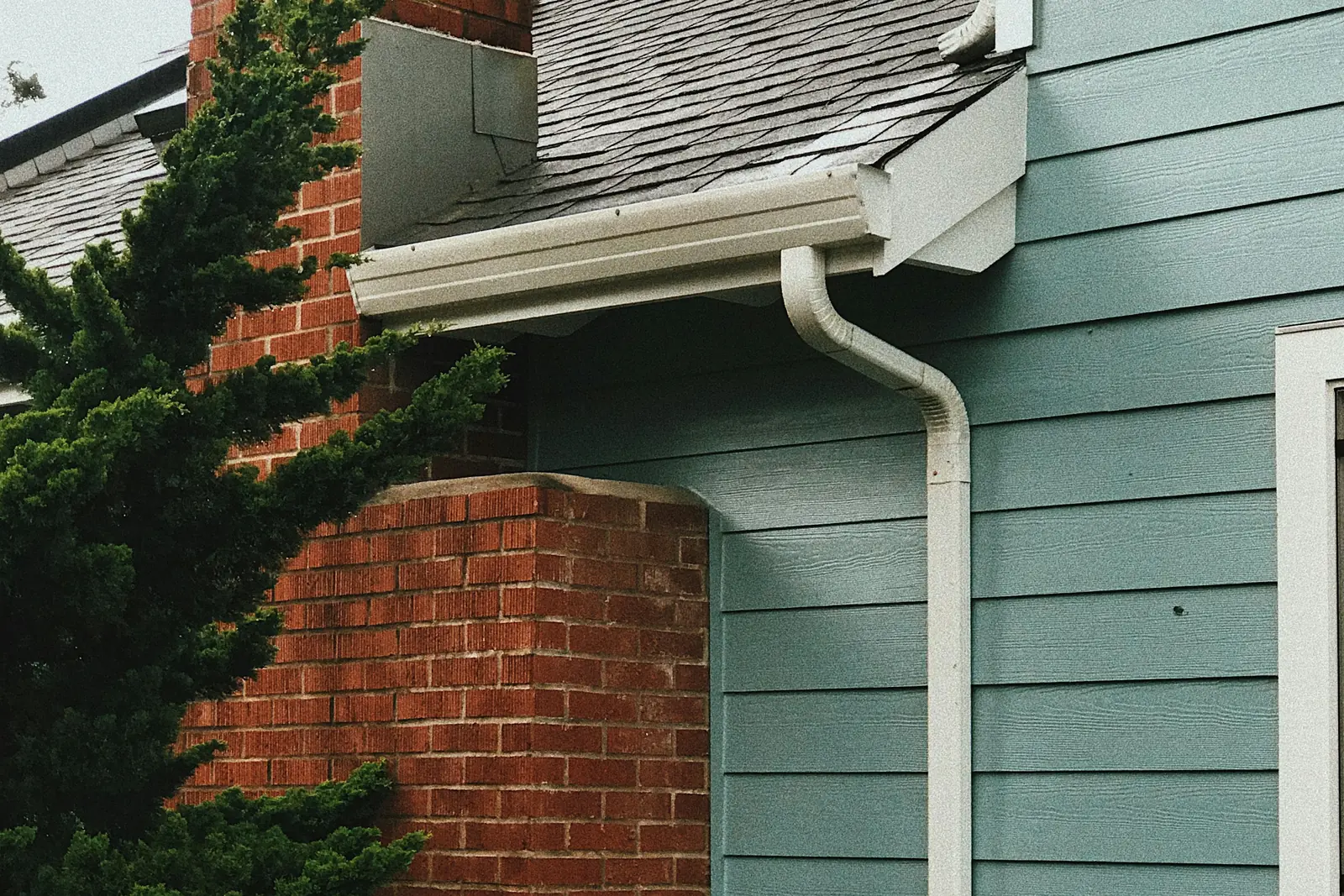
If you've lived through a few Iowa winters, you've seen it: a thick ridge of ice along the edge of a roof, with a row of icicles hanging from the gutters. It looks like a cold-weather problem. It's actually a heat problem, and it starts in the attic.
Ice dams can push water under shingles and into ceilings, walls and insulation, sometimes weeks after the last snowfall. The good news is that the causes are well understood, and the fixes last as long as the house does.
How an ice dam forms
An ice dam needs three things: snow on the roof, a roof deck that is above freezing over the living space, and cold eaves below.
- Heat escapes from the house into the attic and warms the underside of the roof deck.
- Snow on the upper part of the roof melts from below, even when the air outside is well below freezing.
- Meltwater runs down the roof until it reaches the overhang, which sits outside the heated part of the house and stays cold.
- The water refreezes at the eave. Each melt-and-freeze cycle adds another layer, and the ridge of ice grows.
- New meltwater pools behind the ice. Shingles are made to shed running water, not to hold back standing water, so it backs up under them and finds its way inside.
Central Iowa's winters make this common. Long cold stretches, regular snow cover and bright days that warm the upper roof all feed the cycle.
Signs your house is prone to ice dams
- Thick ice along the eaves or packed into the gutters.
- Large icicles, especially in the same spots every year.
- Snow melting off the upper roof while the lower edge stays covered.
- Water stains or peeling paint on ceilings and walls near the outside walls.
- Frost on nail tips or damp spots on the deck when you look into the attic in winter.
- A roof that melts off much faster than your neighbors' after a snowfall.
That last one surprises people. Bare patches on a cold morning usually mean heat is escaping through the attic, which also shows up on the heating bill.
Three fixes that work together
No single product stops ice dams. The lasting fix is keeping the roof deck cold and even, and that takes air sealing, insulation and ventilation working as a system.
1. Seal air leaks into the attic
Warm air rising from the house carries both heat and moisture. It slips through gaps you can't see from below: around the attic hatch, recessed lights, plumbing and vent pipes, wiring holes, chimney chases and the tops of interior walls. Sealing those gaps with the right foam, caulk or fire-rated material is often the most effective single step, and it should happen before any new insulation goes down.
2. Add insulation without blocking the soffits
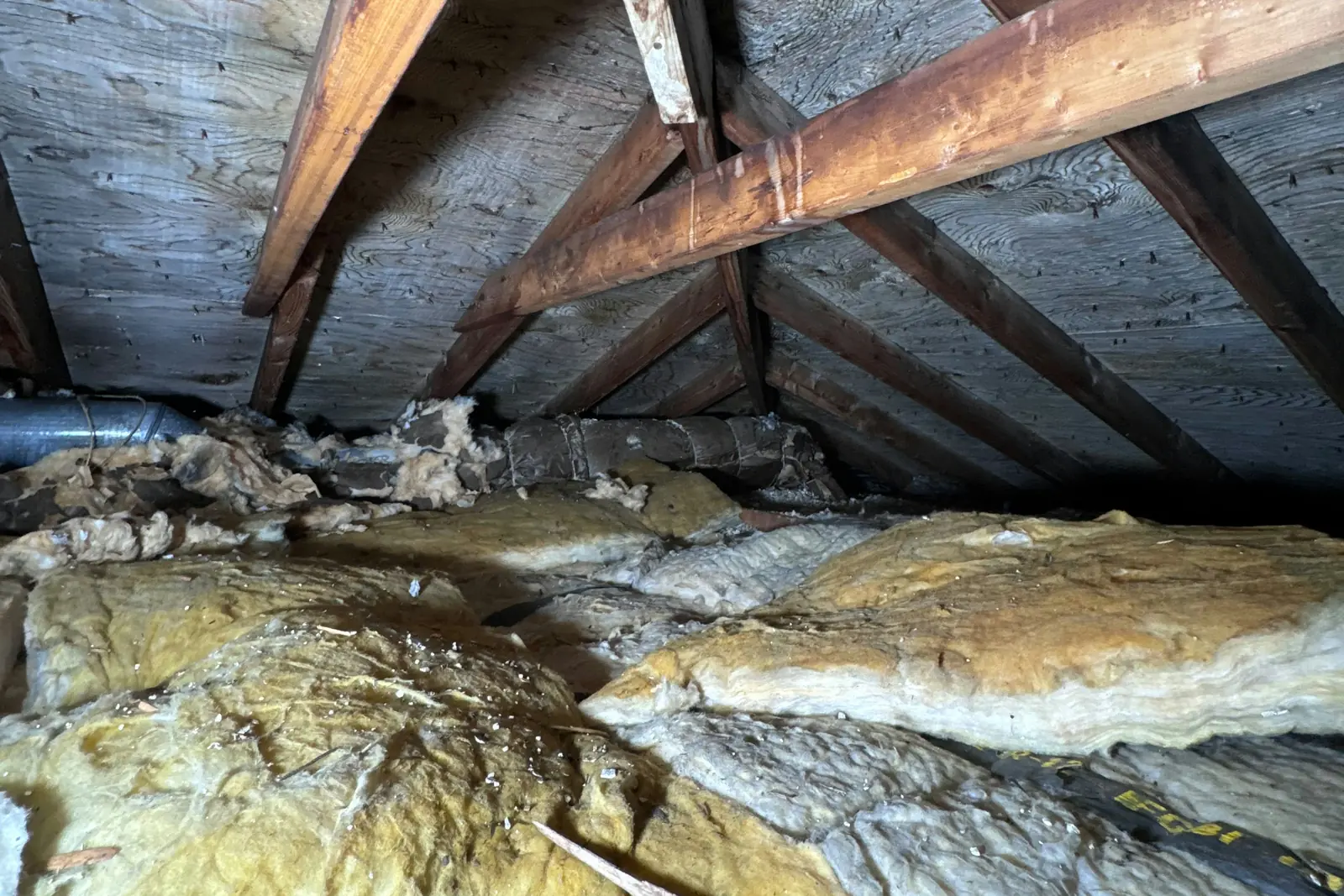
Insulation slows the heat that does reach the attic. Energy codes for Iowa's climate call for roughly R-49 or more on an attic floor, which works out to well over a foot of loose-fill insulation. Plenty of older homes in the metro have a fraction of that, sometimes just a few inches that have settled over the decades.
When insulation goes in, it has to stay out of the airflow path. Rafter baffles at each soffit bay hold insulation back and keep a channel open from the soffit vent up into the attic. Without them, new insulation can choke off the intake air the roof depends on.
3. Balance intake and exhaust ventilation
Ventilation doesn't heat or cool the house. Its job is to carry away whatever heat and moisture still reach the attic, so the deck stays close to the outdoor temperature. Cold outside air enters low at the soffits and leaves high at the ridge or roof vents.
A common code baseline is 1 square foot of net free vent area for every 150 square feet of attic floor. That can drop to 1 per 300 when intake and exhaust are balanced and a vapor retarder is in place. For a 1,500-square-foot attic at the 1/300 ratio, that's 5 square feet, or 720 square inches, split roughly evenly between soffit intake and ridge exhaust.
Two mistakes come up again and again in Des Moines-area homes:
- Exhaust without intake. A ridge vent can't move air if the soffits are solid, painted over or packed with insulation.
- Mixed exhaust types. A ridge vent combined with gable vents or a powered fan can short-circuit the airflow, so the ridge pulls air from the gable instead of from the soffits.
Our roof ventilation work starts by measuring the attic and the existing vent area, then adds or changes intake and exhaust so the two match.
What ice-and-water membrane does, and what it doesn't
Building codes in cold climates require an ice barrier at the eaves: a self-adhering membrane that runs from the edge of the roof to at least 24 inches inside the exterior wall line. It seals around nails and keeps backed-up water out of the deck if a dam does form.
It's important protection, and it goes on every roof replacement we do where code calls for it. But it's a backup. It doesn't stop ice from forming, and on roofs with serious heat loss, water can still back up beyond it. Fix the attic, and the membrane rarely has to do its job.
If you have an ice dam right now
- Don't chip at the ice with a hammer, shovel or ice pick. It's easy to break shingles and gutters, and it's dangerous on a ladder.
- Pull snow off the lower few feet of roof from the ground with a long-handled roof rake. Less snow means less meltwater feeding the dam.
- Skip rock salt. It can harm plants, metal and some roofing materials.
- Catch interior leaks with buckets and towels, and photograph stains and water for your records.
- Call a pro for removal. Ice-removal crews use low-pressure steam to cut channels through the ice without damaging shingles.
Heat cables can keep a channel open in a problem spot, but they treat the symptom and draw power all winter. They're a reasonable stopgap, not a fix.
Why this matters for your roof's life
The same attic that causes ice dams in January bakes shingles in July. Trapped summer heat speeds up aging, and many shingle manufacturers list proper attic ventilation as a condition of their warranty. Getting the attic right protects the roof all year, not just in winter.
If you're getting ready for the cold months, our fall roof checklist includes a quick attic check you can do yourself.
Get your attic checked
If you've had ice dams before, or you're seeing the warning signs above, we'll look at both sides of the problem: the roof outside and the attic inside. Our free inspection includes measuring your current ventilation, checking insulation depth and soffit airflow, and photographing everything we find. Schedule a free inspection, and we'll tell you what it would take to keep ice off your eaves this winter.