
Storm damage roof repair and insurance claim help
Hail and straight-line wind are central Iowa's biggest roof killers. We tarp what needs it, document damage the way adjusters assess it, and help you from inspection to final invoice.
What to do after a storm
Our guide to the first 48 hours after hail goes into more detail.
- Stay off the roofWet or damaged shingles are slick and can hide soft decking. Watch for downed power lines near the house.
- Write down the date and timeYour insurer will ask. Weather reports for that day help confirm the storm.
- Photograph what you can from the groundDented gutters and downspouts, hailstones next to a coin for scale, torn window screens, damaged siding and anything that blew off.
- Stop more water getting inMove belongings, set out buckets and call for emergency tarping. Most policies expect you to prevent further damage, so keep receipts.
- Get an inspection before you fileA free inspection tells you whether there's damage worth claiming, so you don't open a claim you don't need.
Emergency tarping, day or night
If wind tears off shingles or a limb punches through, call or text (515) 555-0147 any time. We cover the opening with a heavy tarp fastened over wood battens, and carry it over the ridge where possible so wind can't get under it.
A tarp is a temporary fix to stop more damage inside. We photograph the damage before we cover it, so your claim keeps its evidence.
How we document hail and wind damage
Adjusters work from evidence, so we document damage the way they assess it. On each slope we mark a 10-by-10-foot test square, circle every hail hit in chalk and photograph it with a scale reference.
We photograph soft metals too. Dents in gutters, downspouts, vent caps, window wraps and AC fins show hail size and direction. For wind, we record creased, lifted and missing shingles by slope. You get the full photo set, and we'll meet your adjuster on site if you ask.

How the insurance claim process works
Every policy is different, but most hail and wind claims follow this order. Our Iowa hail claim guide covers each step in depth.
Free inspection
We inspect and photograph the roof, siding, gutters and other exterior surfaces and tell you plainly whether there's storm damage.
You file the claim
You call your insurer or file online; it's your policy and your claim. Check your policy for how long you have to file after a storm.
Adjuster meeting
Your insurer sends an adjuster. We can be there to walk the roof with them and point out what we documented.
Scope review and supplements
We compare the insurer's estimate with the work actually needed. If items are missing, such as drip edge, code-required ice and water shield or an extra layer to remove, we submit a supplement with documentation.
Repair and final invoice
We complete the work, then send the final invoice and completion photos to your insurer and mortgage company as needed. Many policies release withheld depreciation once that invoice is in.
You pay your deductible. We never offer to waive, cover or rebate it, and you should be wary of any contractor who does, because the only way to do it is to bill your insurer for more than the real cost.
Storm chaser warning signs
After a big storm, out-of-town crews arrive within days. Some do fine work, but many are gone before a warranty problem ever comes up. Be careful if you see:
- Out-of-state plates, no local presenceTrucks from another state, an out-of-area phone number and no way to reach them once storm season ends.
- Pressure to sign todayDoor-knockers who push you to sign on the spot, before an inspection report or adjuster visit.
- Cash only or a big depositRequests for cash, or for most of the money before materials are even delivered.
- An assignment of benefitsA form that hands your claim rights to the contractor. Once it's signed, they deal with your insurer directly and you can lose control of your own claim.
- No proof of registration or insuranceAsk for proof of Iowa contractor registration and a certificate of insurance. A legitimate contractor hands both over without fuss.
Questions about storm damage and insurance claims
How can I tell if hail damaged my roof?
Often you can't from the ground. Look at soft metals first: fresh dents in gutters, downspouts or vent caps mean hail big enough to bruise shingles may have fallen. Shingle damage commonly starts around 1 to 1.25 inches, depending on the roof's age and the wind.
How long do I have to file a claim?
It depends on your policy. Most Iowa homeowner policies set a limited window after a storm, and it varies, so check your policy or ask your agent. Don't wait longer than you need to, because damage gets harder to tie to one storm as time passes.
What if my claim is denied or the payout seems low?
Ask your insurer for the decision and estimate in writing. If we believe damage was missed, we can provide more photos and documentation and ask for a re-inspection. We'll also tell you if we think the adjuster got it right.
Do I have to use the contractor my insurer suggests?
No. You can choose your own contractor. Your insurer pays for the covered damage under your policy, whoever does the work.
Will you deal with my insurance company for me?
We'll meet the adjuster, share our photos and submit documentation for supplements. The claim stays in your name and under your control, and we don't ask you to sign an assignment of benefits.
Related services
See all services-
 Roof replacement
Full tear-off, new underlayment and flashing, usually done in one day.
-
 Roof inspection
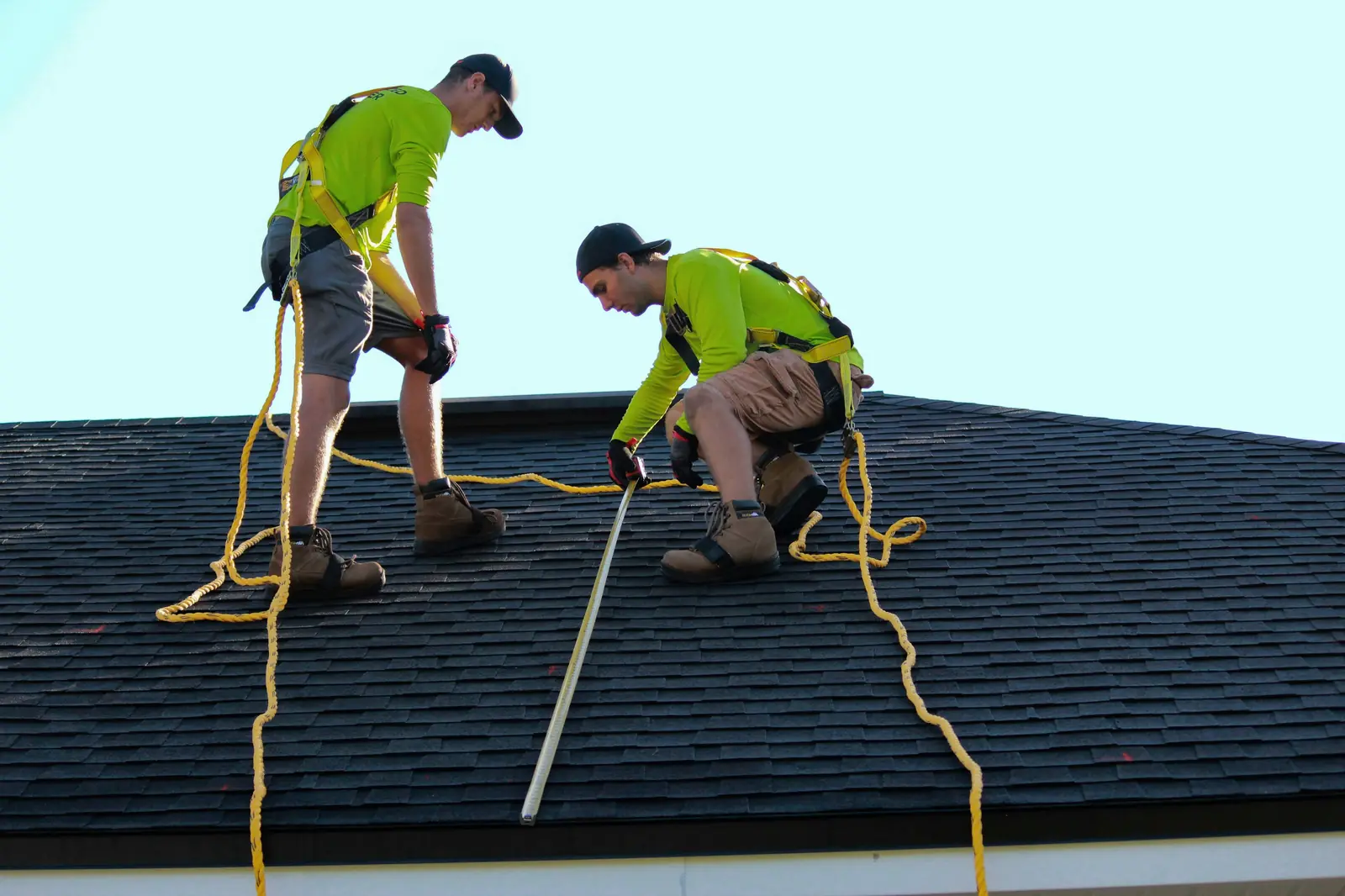
Free inspections with photos of every slope, an attic check and a written summary.
-
 Siding
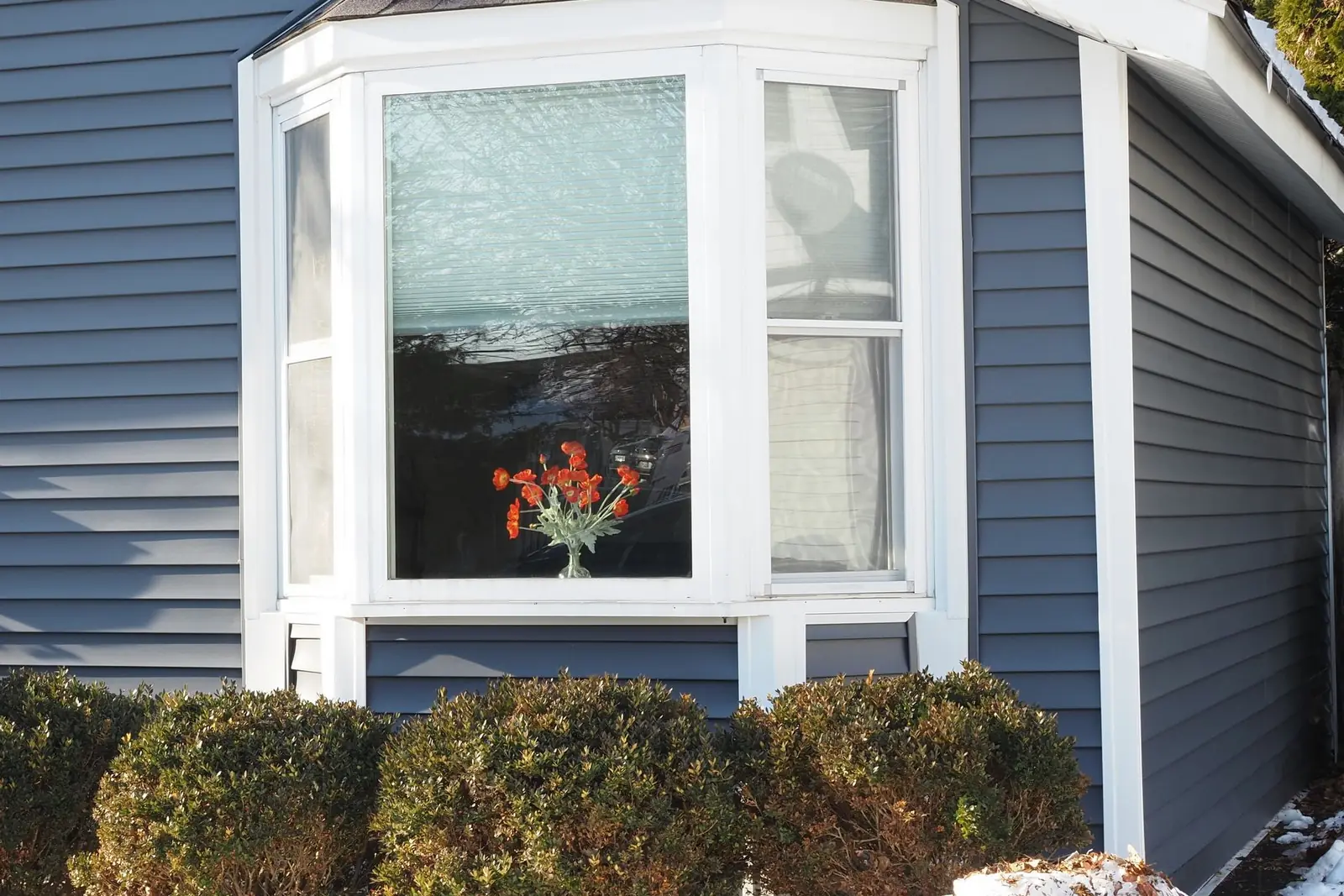
Vinyl, fiber cement and engineered wood siding, plus house wrap, trim, soffit and fascia.
Book your free inspection
Tell us what you're seeing and we'll schedule a visit, usually within a few days. You get photos and a written estimate either way, with no pressure to sign anything.
- (515) 555-0147Call or text, Mon–Fri 7am–7pm, Sat 8am–4pm
- [email protected]
- Storm emergencyCall any time for tarping