
Siding installation and repair
New siding, built from the sheathing out. We install vinyl, fiber cement and engineered wood, replace the house wrap and trim, and repair walls damaged by hail and wind.
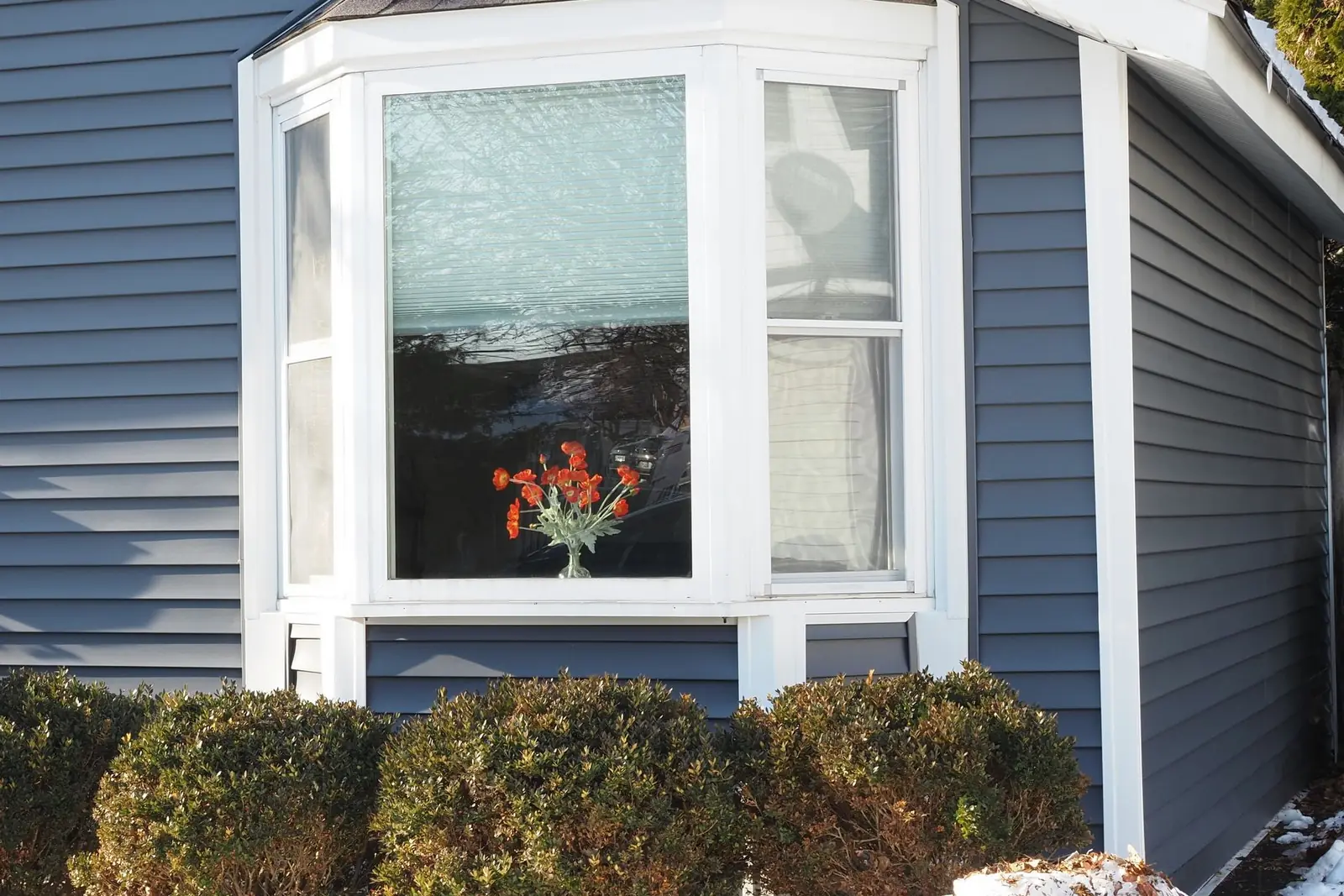
Siding is a weather barrier first
Siding takes the same hail and wind your roof does, plus sprinklers, snow piled against the walls and hard sun on the south and west sides. Its job is to shed most of the water. The layer behind it, the house wrap and flashing, handles whatever gets past.
That's why we don't hang new panels over whatever is already there. We take the old siding off, check the sheathing and rebuild the weather barrier before the new siding goes on.
House wrap stops liquid water but lets water vapor escape from the wall, so the framing can dry. It only works if every upper layer laps over the one below it, like shingles, and the seams are taped. On older homes, we often find torn felt paper or gaps in the barrier around windows.
Comparing siding materials
We install vinyl, fiber cement (including James Hardie products) and engineered wood (including LP SmartSide). Each has its place.
| Material | Hail and impact | Upkeep | Good fit for |
|---|---|---|---|
| Vinyl | Can crack or hole in big hail | Wash it; no painting | Budget-minded full re-sides |
| Fiber cement | Resists dents; edges can chip | Repaint eventually; keep joints caulked | Fire resistance, crisp painted look |
| Engineered wood | Handles impacts well | Repaint eventually; seal cut edges | Wood look, lighter than fiber cement |
Hail and wind damage to look for
Siding damage gets missed after storms because everyone looks up at the roof. Walk the walls that faced the storm and look for these. A free inspection covers the walls too.
- Cracks and holes in vinylHail punches holes or leaves cracks, usually concentrated on the windward walls. Cold vinyl is more brittle and breaks more easily.
- Chips and spatter marksFiber cement and painted wood show chipped paint or bright spots where hailstones struck.
- Dented metalAluminum siding, window wraps and corner trim dent easily and show hail size clearly.
- Loose or missing panelsStrong wind can unlock vinyl panels and peel them off a wall, leaving the wrap underneath exposed.
How a re-side project goes
Measure and choose
We measure every wall, bring product samples and colors, and give you a written estimate.
Tear-off and sheathing check
Old siding comes off and we replace any rotten or damaged sheathing we find underneath.
House wrap and flashing
New house wrap goes on with taped seams, lapped so water runs out, not in. Windows and doors get flashing tape lapped the same way.
Siding and trim
Siding, corners and trim go up, with new vented soffit and aluminum-wrapped fascia where the job calls for it.
Cleanup and walk-through
We pick up nails and scraps every day and walk the finished house with you.
Trim, soffit and fascia
Soffit and fascia aren't just finish work. Vented soffit is the intake half of your attic ventilation, and fascia is what your gutters hang from. We replace rotten fascia boards before wrapping them in aluminum so the gutters have something solid to hold.
Siding fades in the sun, so new panels from the same product line can look different next to ten-year-old ones. Before anyone decides between a patch and a full wall, we hold a sample against your siding so you can see the difference.
A hail hole in siding is more than cosmetic. Once the wrap behind it is exposed, wind-driven rain gets into the wall every storm, so small breaks are worth fixing before winter.
Questions about siding
Can you replace only the damaged pieces?
Often, yes, as long as the product is still made and the color still matches after years of sun. Vinyl panels can be unlocked and replaced individually. If a match isn't possible, we'll show you and talk through the options.
Is fiber cement better than vinyl in Iowa?
Fiber cement is harder to damage with hail and won't warp from reflected heat, but it's heavier, costs more and needs paint over time. Vinyl is lighter, less expensive and never needs paint, but large hail can crack it. We'll show you both side by side.
Do you replace the house wrap on every job?
On full re-sides, yes. Older wrap or felt paper is often torn, missing or lapped the wrong way, and the siding is already off. We tape the seams and flash every window and door.
Can siding go up in winter?
Yes, with care. Vinyl gets brittle in the cold, so we cut and handle it more carefully and leave room for it to expand in summer. Fiber cement and engineered wood go up year-round, though painting and caulking wait for warmer days.
Is hail-damaged siding covered by insurance?
Often, if the damage came from a covered storm. Siding is frequently part of the same claim as the roof and gutters, so have everything inspected together. Our storm damage page explains how the claim works.
Related services
See all services-
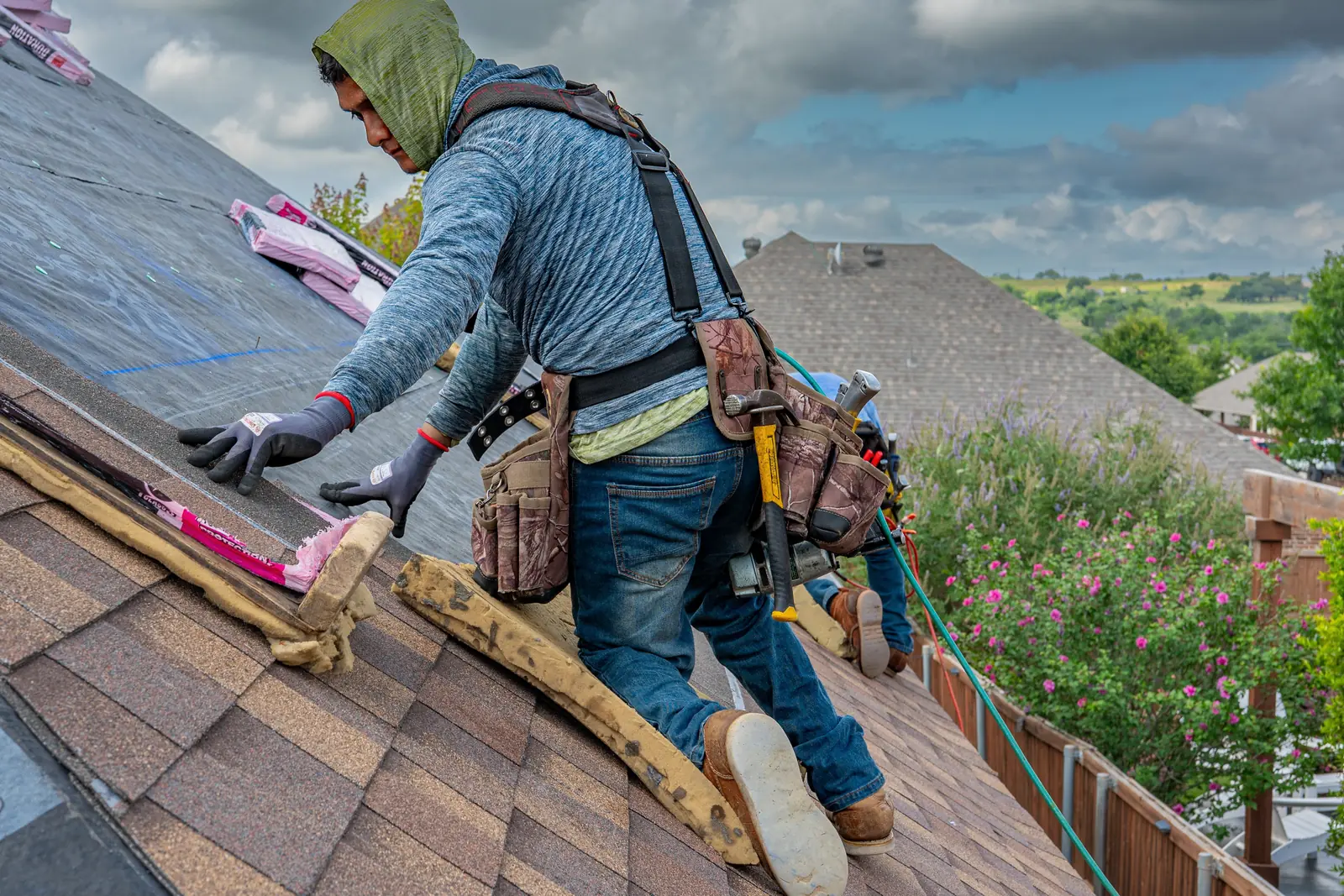 Roof replacement
Full tear-off, new underlayment and flashing, usually done in one day.
-
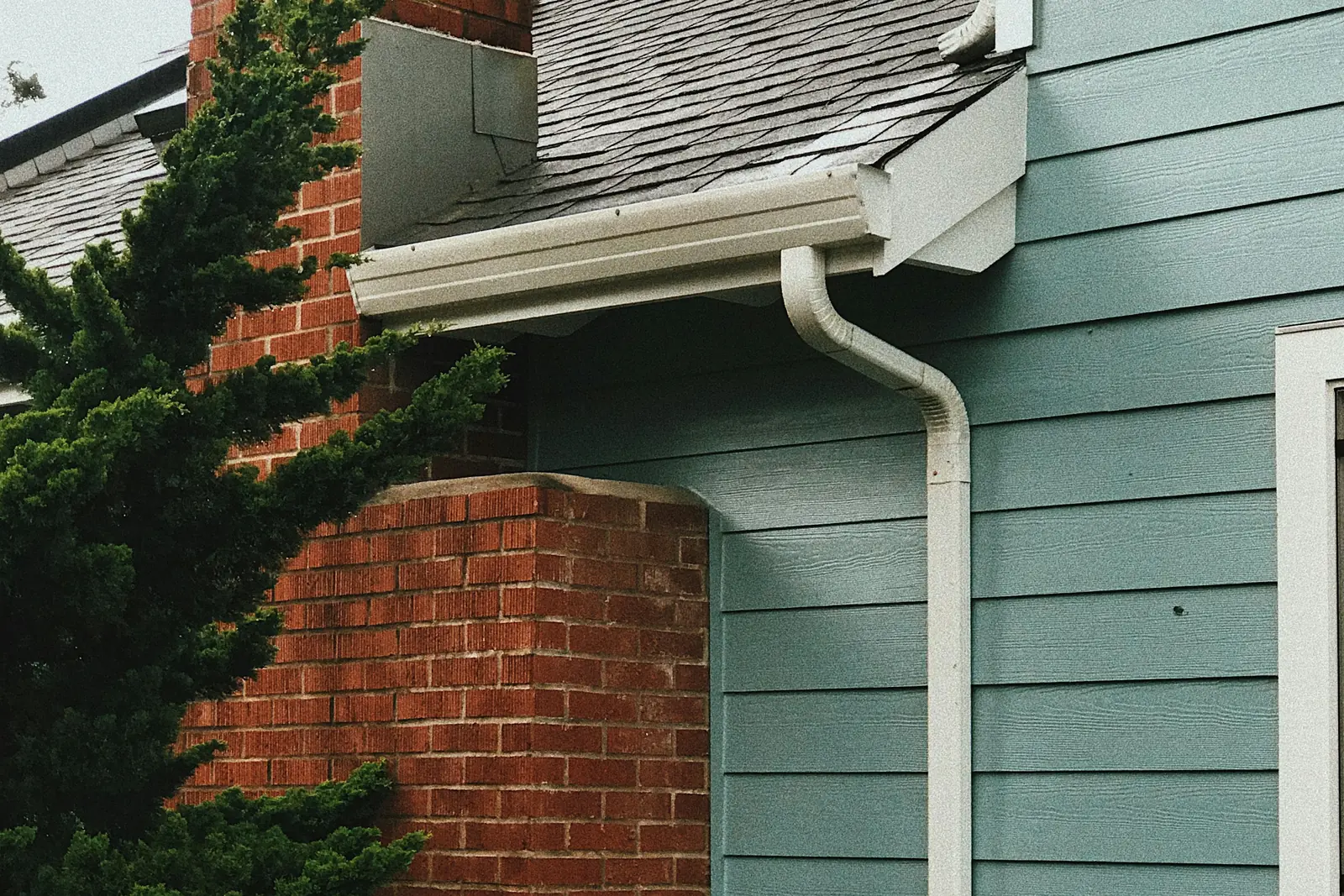 Gutters
Seamless aluminum gutters formed on site, right-sized downspouts and guards that cut cleaning.
-
 Storm damage and insurance claims
Emergency tarping, hail and wind damage documentation, and help with your insurance claim.
Book your free inspection
Tell us what you're seeing and we'll schedule a visit, usually within a few days. You get photos and a written estimate either way, with no pressure to sign anything.
- (515) 555-0147Call or text, Mon–Fri 7am–7pm, Sat 8am–4pm
- [email protected]
- Storm emergencyCall any time for tarping