An Iowa winter tests every weak spot on a roof. Snow sits for weeks, freeze-thaw cycles work water into small gaps, and ice builds at the eaves when attics run warm. October is the right time to find those weak spots, while shingles are still warm enough to seal down and a repair crew can work comfortably.
Most of this checklist can be done from the ground, from a ladder at the gutter line, or from inside the attic. Leave walking the roof to someone with the right shoes, harness and experience, especially on steep or wet roofs.
Start with a walk around the house
Pick a clear afternoon, grab a pair of binoculars, and walk the whole perimeter. Look at each slope you can see from the yard and from across the street.
- Missing, cracked or lifted shingles, especially along ridges, rakes and the first row at the eaves, where wind gets underneath first.
- Bare or dark patches where granules have worn away. Granules shield the asphalt from the sun, so bald spots age fast.
- Curling or cupping at shingle edges, a common sign of age or a hot attic.
- A wavy or sagging roofline, which can point to soft decking underneath.
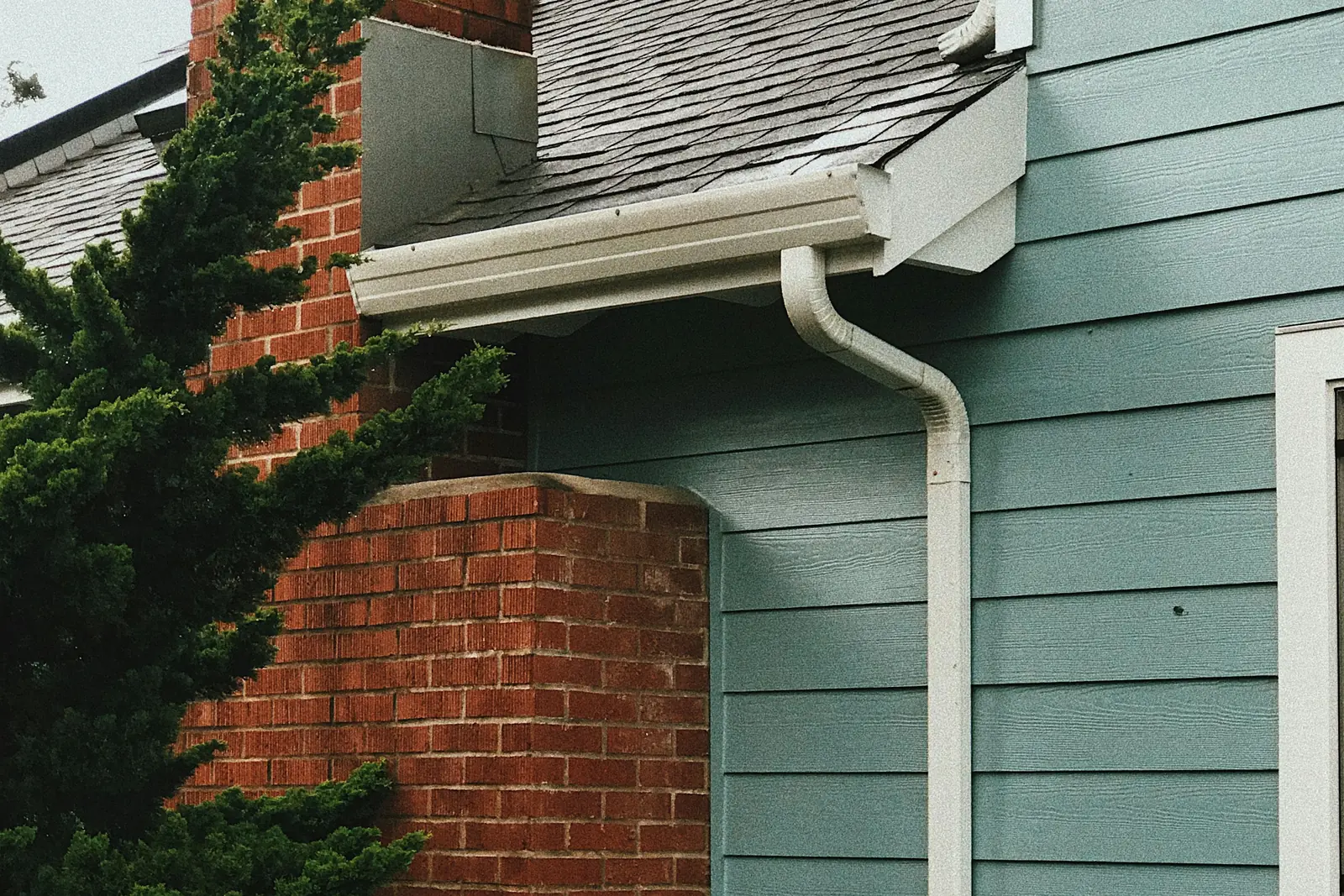
- Flashing around chimneys, skylights and walls that looks loose, rusted or smeared with old sealant.
- Vents and pipe boots with cracks, dents or missing caps.
Think back over the summer, too. If your area had hail, look for dents on gutters, downspouts, window wraps and the air conditioner. Soft metal often shows hail before shingles do, and our guide to the first 48 hours after a hailstorm explains what those dents can tell you.
Clean and test the gutters
Gutters full of leaves hold water against the fascia and give ice a head start at the edge of the roof. In much of central Iowa, the best time to clean them is after most of the leaves have dropped, usually late October into November. Homes under big oaks or maples may need a second round.
- Scoop out debris and flush each run with a hose. Water should flow steadily toward the downspout without pooling.
- Watch seams, end caps and corners for drips while the water runs.
- Look for hangers that have pulled loose and fascia boards that feel soft.
- Make sure every downspout is clear from top to bottom and empties several feet away from the foundation.
If you clean the same gutters three or four times every fall, guards may be worth it. Different guards handle different debris, so match the style to what your trees drop. Our gutter service covers cleaning, repairs, new seamless gutters and guards.
Look inside the attic
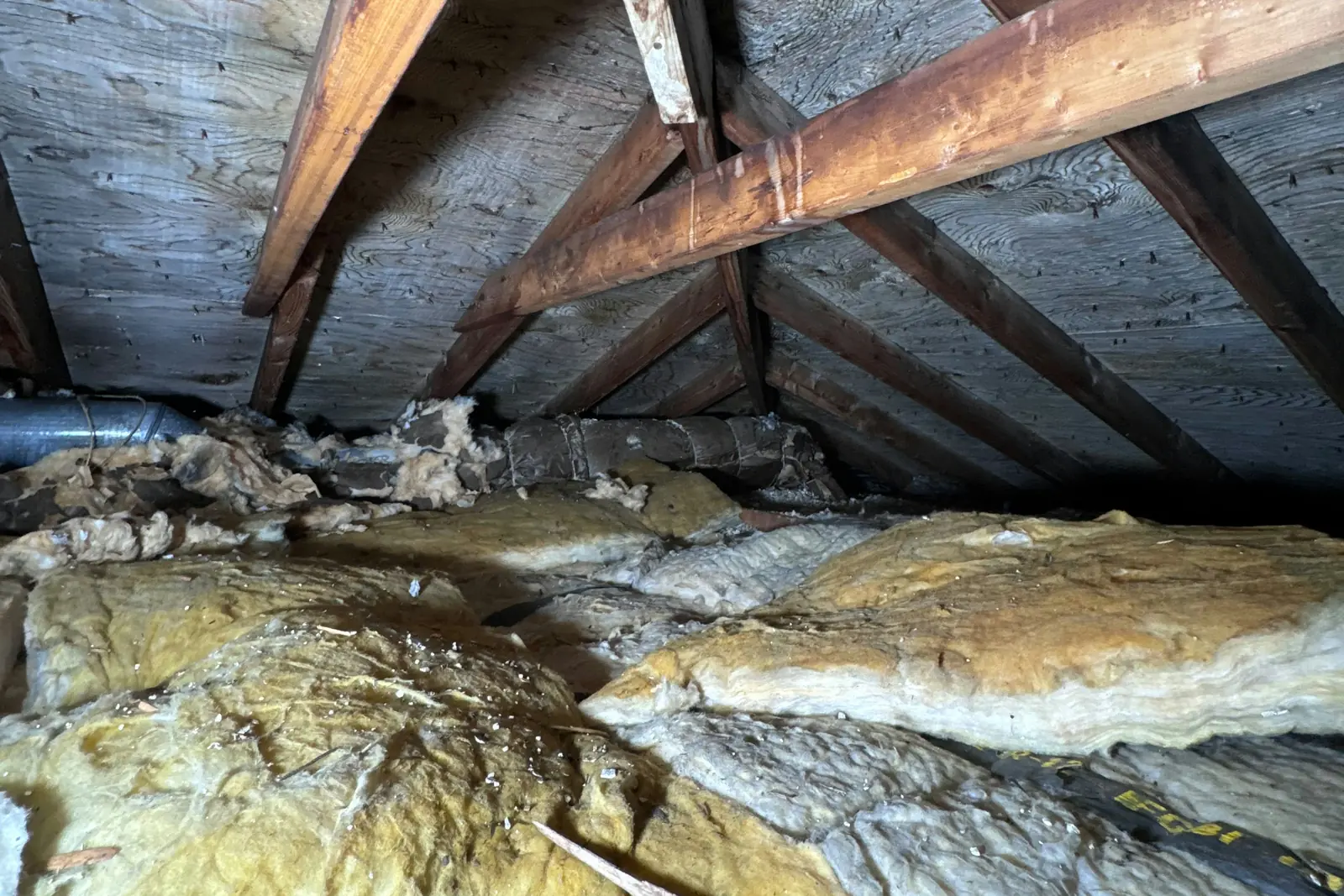
The attic tells you things the outside can't. Go up on a sunny day with a flashlight and look at the underside of the roof deck and the insulation.
- Water stains, dark rings or soft spots on the decking, especially around chimneys, vents and valleys.
- Daylight showing through anywhere other than the vents.
- Insulation that is wet, matted or pushed tight against the soffits, which blocks intake air.
- Bathroom or kitchen fans that end in the attic instead of venting outside.
- Rusty nail tips or a musty smell, both signs of moisture that will turn to frost once it gets cold.
Warm, moist attics are at the root of most ice dam problems. As a rough check, codes commonly ask for about 1 square foot of vent opening per 150 square feet of attic floor, or half that with balanced soffit and ridge venting. If your attic falls short, read how ventilation and insulation stop ice dams or see our roof ventilation page.
Check the spots where leaks start
Most roof leaks don't begin in the middle of a slope. They begin where something interrupts the shingles.
- Chimneys: look for gaps between the flashing and the brick, cracked mortar and a crumbling crown.
- Plumbing vents: the rubber boots around pipes dry out and split after years of sun.
- Skylights: watch for stains on the interior trim or fogged glass, which can mean a failed seal.
- Roof-to-wall joints: where a lower roof meets a wall, the step flashing and kick-out flashing need to be intact.
A tube of sealant can hold a small gap for a season, but it is not a repair. If the flashing itself is bent, rusted or loose, have it replaced before snow sits on it.
Trim trees away from the roof
Branches that touch or hang over the roof scrape off granules, drop debris into valleys and shade slopes so they stay damp. In winter they also collect ice and snow, and a heavy limb can break off and land on the house. The 2020 derecho was a reminder of how much damage one large tree can do.
Aim to keep branches several feet clear of the roof. Hire an arborist for big limbs or anything near power lines.
Fix small problems before the cold sets in
Asphalt shingles have strips of sealant that bond to the course below when the sun warms them. Repairs made in early fall usually seal down on their own. In colder weather, roofers have to hand-seal tabs with roofing cement, and the work goes slower. That's a good reason to schedule roof repairs now rather than waiting for a midwinter leak.
If your roof is near the end of its life, fall can still work for a full roof replacement on mild days. Architectural shingles in Iowa typically last around 18 to 25 years, less with poor ventilation or hail damage. A roof that is curling, losing granules and leaking in more than one spot may not be worth another round of patching.
Your fall roof checklist
- Walk the house with binoculars and note missing, lifted or curling shingles.
- Look for hail dents on gutters, downspouts and vents from this year's storms.
- Clean the gutters after the leaves drop and test them with a hose.
- Confirm downspouts empty well away from the foundation.
- Check the attic for stains, damp insulation, blocked soffits and fans venting inside.
- Inspect flashing at chimneys, skylights, vents and walls.
- Trim branches back from the roof.
- Book repairs while it's still warm enough for shingles to seal.
When to call for an inspection
If you found something you're not sure about, or you'd rather not climb a ladder at all, a professional inspection takes the guesswork out. A good one covers every slope, the flashing, the gutters and the attic, with photos so you can see what the inspector saw.
We do that for free in Des Moines and the communities around it, and we'll tell you honestly whether something needs attention before winter or can wait until spring. Request a free roof inspection or call (515) 555-0147.