
Roof repair in Des Moines and nearby suburbs
Leaks, missing shingles, cracked pipe boots and worn flashing. We find where the water is really getting in, fix it properly and send you photos of the repair.
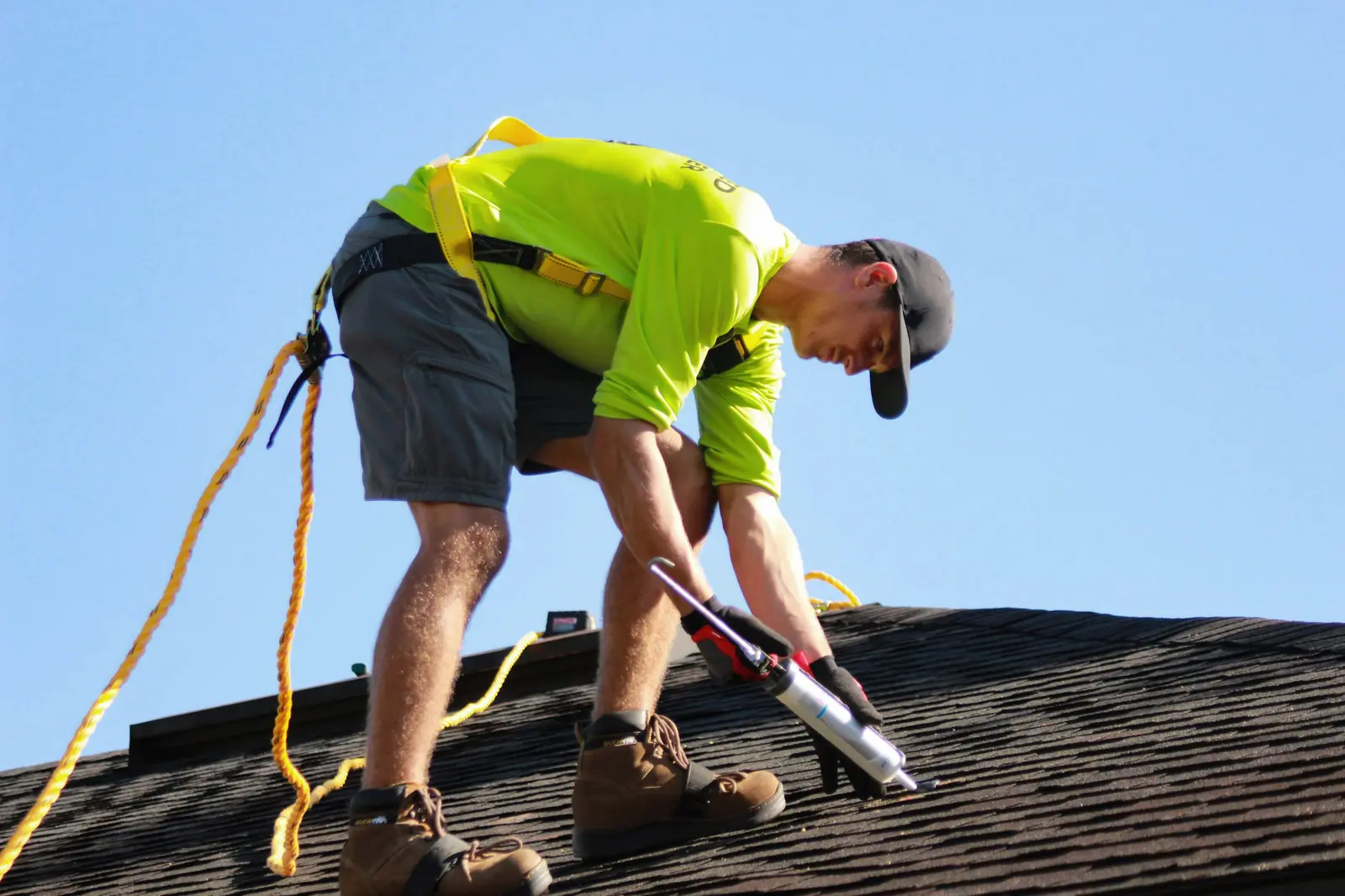
Finding the leak is most of the job
Water rarely drips through the ceiling right under the spot where it gets in. It runs along the underside of the deck or down a rafter first, sometimes several feet. That's why a patch on the shingles directly above a stain so often fails.
When we can reach the attic, we start there, tracing stains and wet wood back uphill, then match that to what we see on the roof. Most leaks come from a short list of places: flashing, pipe boots, valleys and wind-damaged shingles.
Repairs we handle most often
- Wind-lifted and missing shinglesStrong gusts break the seal strip and fold shingles back, which creases them. A creased shingle won't seal flat again, so we replace it instead of gluing it down.
- Flashing at walls and chimneysStep flashing and counterflashing fail when they rust, work loose or were only held with caulk. We replace and reset the metal so it sheds water on its own.
- Cracked pipe bootsThe rubber collar around a plumbing vent dries out and splits in the sun, often years before the shingles wear out. It's one of the most common leaks we fix and one of the simplest.
- Valley leaksValleys carry more water than any other part of the roof. Packed debris, worn shingles or missing ice and water shield underneath can all let it through.
- Vents and skylight edgesHail-cracked vent caps and tired seals around skylights leak in wind-driven rain. We replace the vent or reflash the skylight.
- Emergency tarpingIf a storm leaves a hole or a missing section, call any time. We tarp it to stop more water getting in, then schedule the permanent fix.
Wind damage you can't see from the street
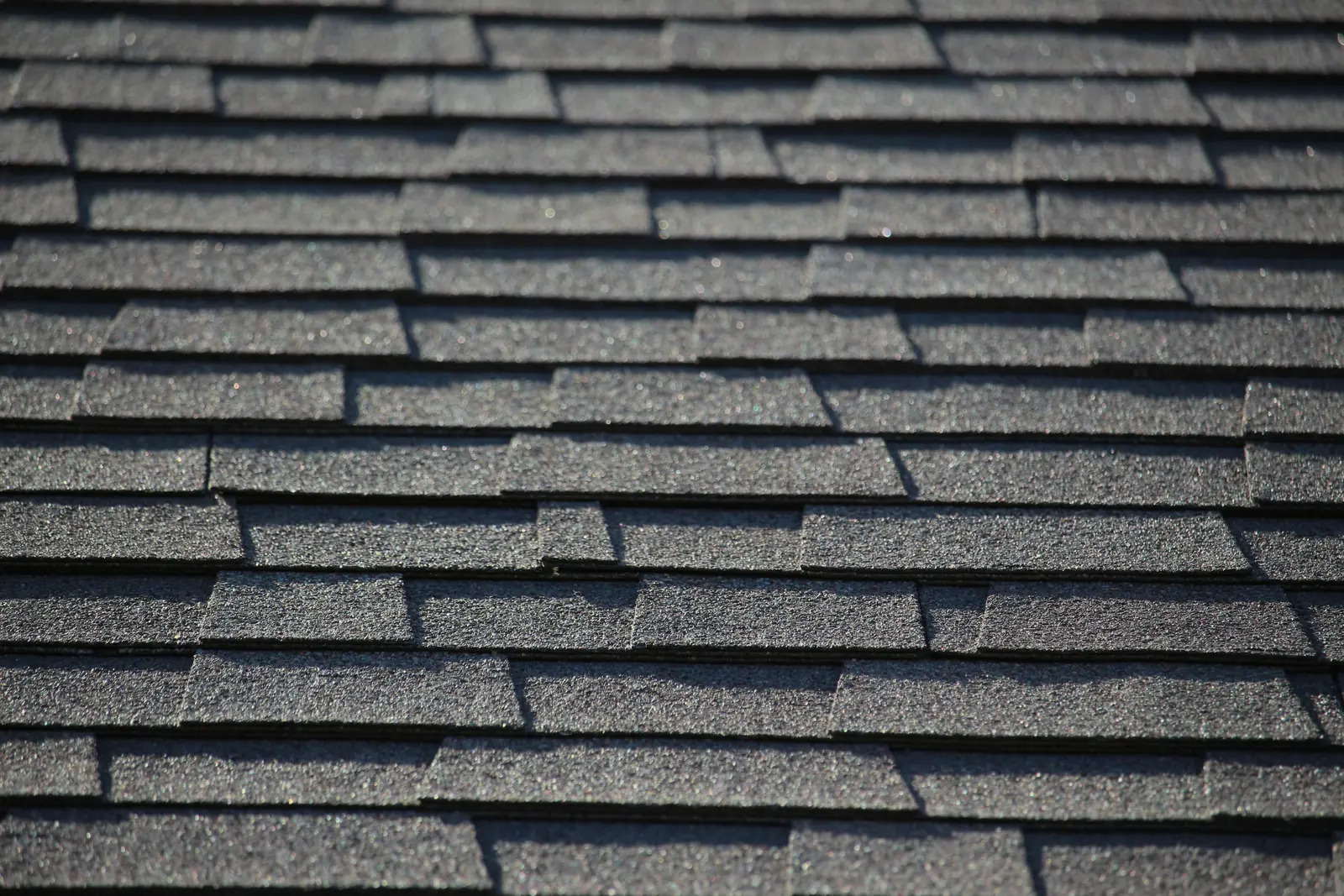
After a strong straight-line wind, the shingles that worry us most aren't the ones in the yard. They're the ones still on the roof with a broken seal strip, lifting with every gust and often creased across the top. From the street, the roof can look fine.
Shingles that come unsealed in a late-fall storm may not reseal until warm weather, and a winter of wind can peel them off one at a time. If a storm took a few shingles, have the slopes around them checked too. Caught early, it's usually a small repair.
How a repair visit works
Call or text
Tell us what you're seeing at (515) 555-0147. Photos of stains or missing shingles help us bring the right materials.
Find the source
We check the attic and the roof, locate where water is getting in and photograph it.
Written quote
You get a price before we start, plus a straight answer if the roof is closer to replacement than repair.
Repair and photos
We match shingles as closely as we can, replace flashing, boots or decking as needed, and send you before-and-after photos.
Repair or replace
These are rules of thumb. After an inspection, we'll tell you which side of the line your roof is on and why.
| Situation | Usually | Why |
|---|---|---|
| A few missing shingles on a younger roof | Repair | The rest of the roof has life left |
| One leak at a boot or flashing | Repair | The problem is local |
| Leaks in several places | Replace | The system is failing overall |
| Hail bruising on most slopes | Insurance claim, likely replace | Damage is widespread |
| Brittle shingles near 20 years old | Replace | Repairs crack more shingles than they fix |
If water is coming in right now, call or text (515) 555-0147. Emergency tarping after storms is available any time, including nights and Sundays.
Questions about roof repair
Can you match my existing shingles?
Usually close, not always exact. Shingle lines get discontinued and colors weather over time, so even the same product can look a shade different at first. We bring samples and tell you how close the match will be before we start.
Can roofs be repaired in winter?
Yes, within limits. Shingles, boots and flashing can be replaced in cold weather, but new shingles may not self-seal until warm days return, so we hand-seal them. We don't work on slopes covered in snow or ice.
Why does my roof only leak in certain storms?
Wind-driven rain pushes water sideways and even uphill, under shingles and flashing that stay dry in ordinary rain. Ice dams do something similar in winter. These leaks are worth fixing, because the opening is there every time the wind comes from that direction.
Will insurance pay for a roof repair?
If the damage came from a covered event like hail or wind, it may. Normal wear and slow, long-term leaks usually aren't covered. Small repairs often cost less than a deductible, and we'll tell you that before you file.
How quickly can you get to a leak?
Active leaks go ahead of routine work during business hours, Monday to Friday 7am to 7pm and Saturday 8am to 4pm. After a storm, emergency tarping is available around the clock.
Related services
See all services-
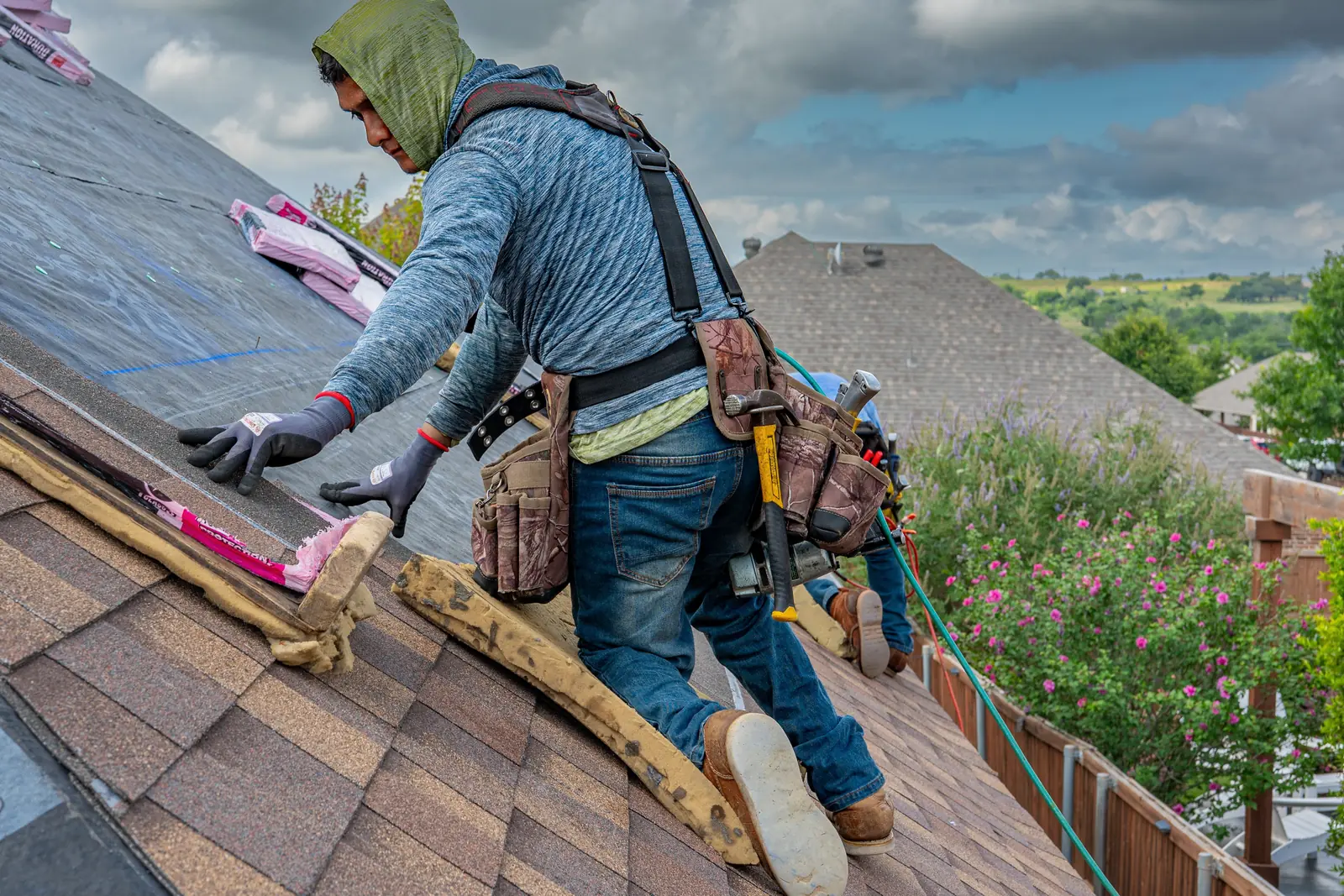 Roof replacement
Full tear-off, new underlayment and flashing, usually done in one day.
-
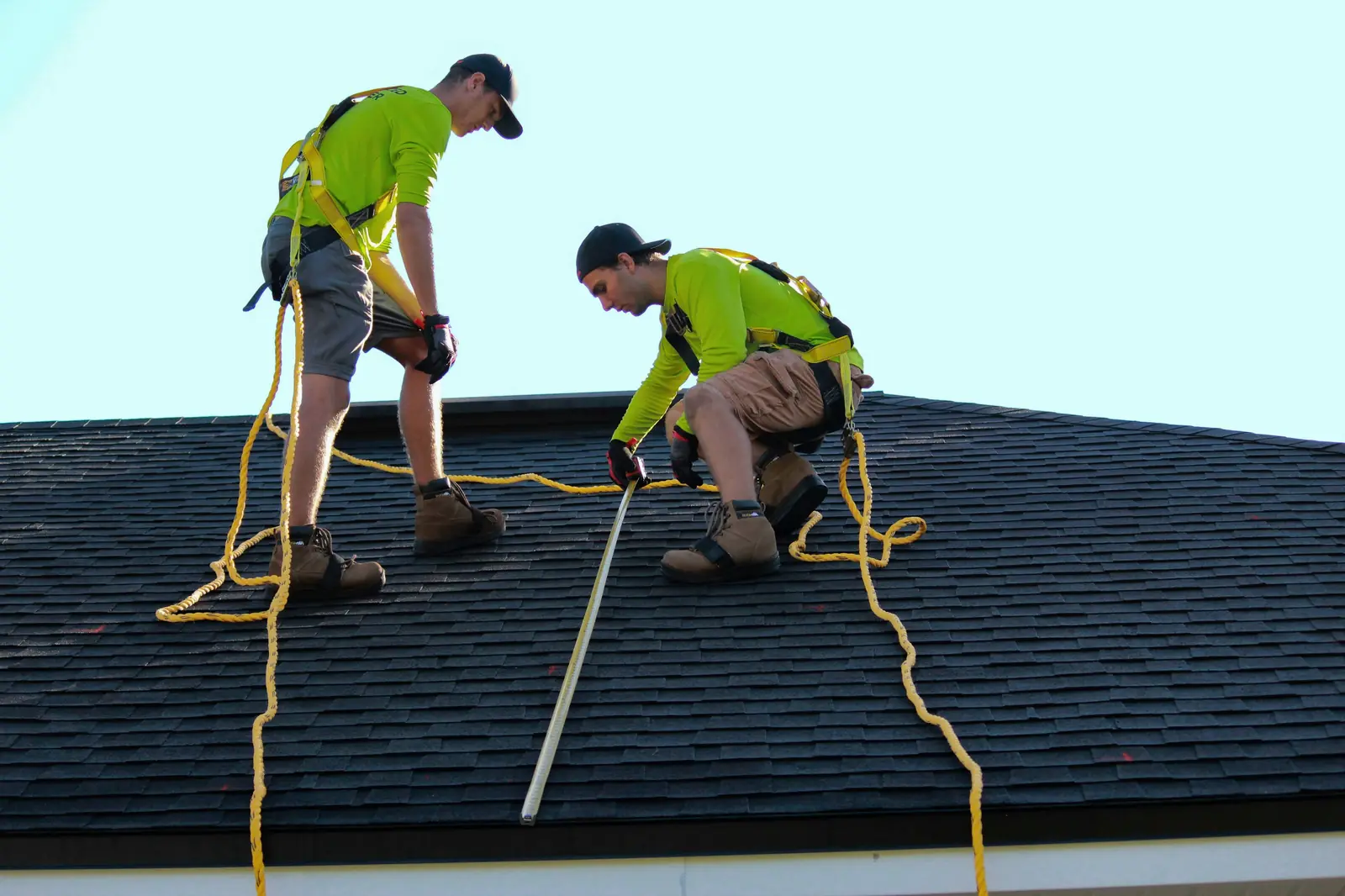 Roof inspection
Free inspections with photos of every slope, an attic check and a written summary.
-
 Storm damage and insurance claims
Emergency tarping, hail and wind damage documentation, and help with your insurance claim.
Book your free inspection
Tell us what you're seeing and we'll schedule a visit, usually within a few days. You get photos and a written estimate either way, with no pressure to sign anything.
- (515) 555-0147Call or text, Mon–Fri 7am–7pm, Sat 8am–4pm
- [email protected]
- Storm emergencyCall any time for tarping