When hail hits central Iowa, it can come and go in a few minutes. What you do over the next two days makes a real difference: to your safety, to how much more damage the house takes, and to how smoothly an insurance claim goes if you need one.
Here's a calm, practical plan for the first 48 hours.
First, make sure everyone is safe
- Wait until the storm has fully passed. Lightning and strong wind often trail the hail.
- Stay away from downed power lines and anything touching them, and report them to your utility.
- Watch for broken glass around windows, skylights and vehicles.
- If water is coming through a ceiling near a light fixture, turn off that circuit at the breaker if you can do it safely, and keep people out of the room.
Check from the ground, not from a ladder
Stay off the roof. Shingles are slick after a storm, loose granules roll underfoot like ball bearings, and much of the damage that matters isn't obvious from on top anyway. A slow walk around the house tells you a lot.
Soft metals tell the story
Aluminum and thin steel dent before shingles do. Hail around three-quarters of an inch can mark soft metals, while damage to asphalt shingles usually starts somewhere around 1 to 1.25 inches, depending on the shingles' age and the wind. Look at:
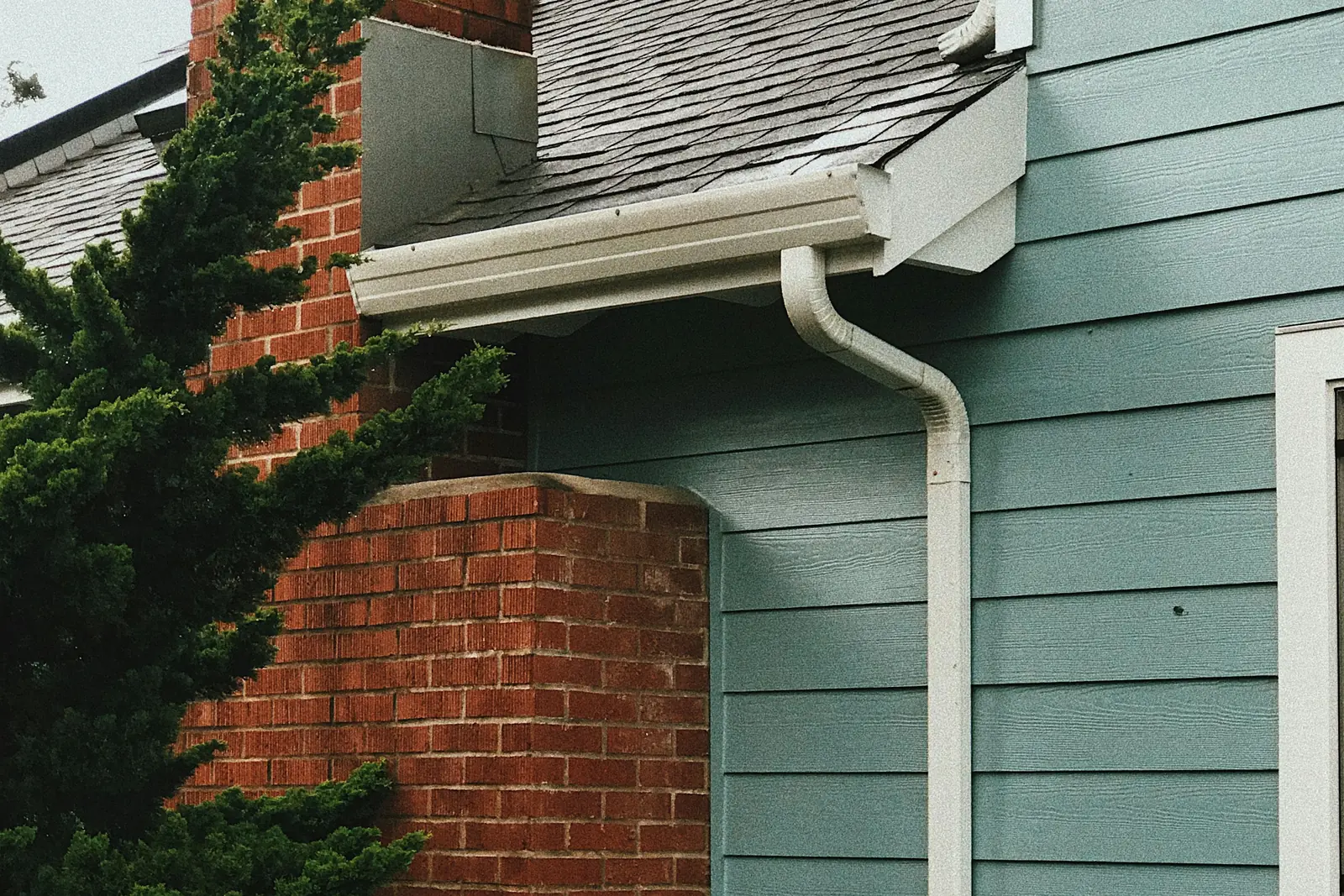
- Gutters, downspouts and gutter guards
- Roof vents, chimney caps and any flashing you can see from the ground
- Window wraps, screens and frames
- The fins on your air conditioner's outdoor unit
- Mailboxes, light fixtures, grills and patio furniture
- Siding, especially on the side that faced the storm
Also look for spatter marks: small, fresh-looking spots where hail knocked dirt or oxidation off painted surfaces, fences and decks. Together with dents, they show how big the hail was and which direction it came from.
Measure the hail if you can
If stones are still on the ground, photograph a few next to a coin or a ruler. A quarter is about 1 inch across, which is the National Weather Service threshold for severe hail. If you have room, bag a few and put them in the freezer.
Photograph everything, with dates
Good records make every later step easier. Use your phone's camera so each photo carries a date and time.
- Take wide shots of each side of the house, then close-ups of every dent, crack or broken item.
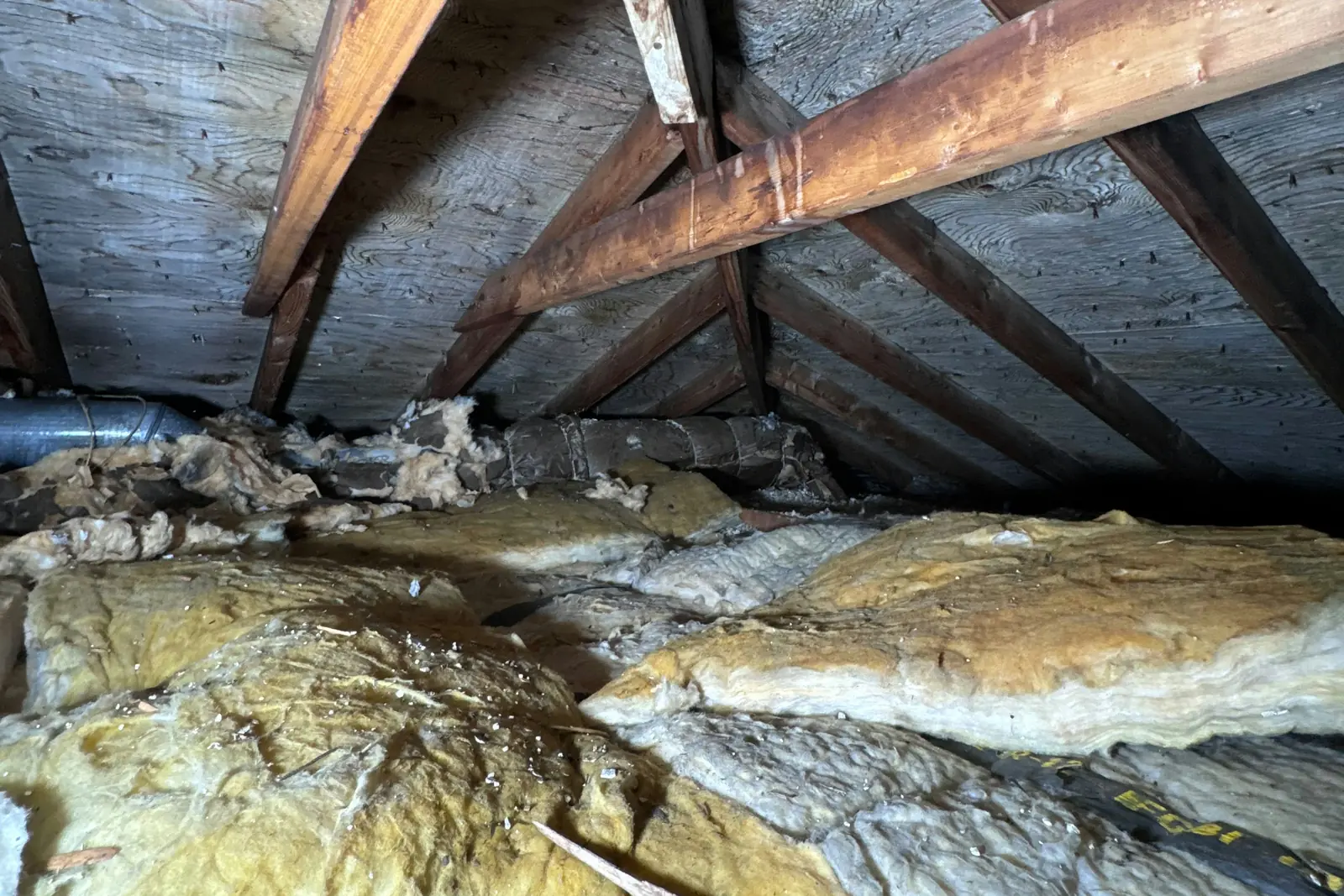
- Photograph interior damage: ceiling stains, wet insulation, water on floors.
- Write down the date and approximate time of the storm.
- Save a screenshot of local storm reports or weather alerts from that day.
- Keep receipts for anything you spend on emergency protection.
Protect the house from further damage
Most homeowner policies expect you to take reasonable steps to prevent more damage once you know about it. That might mean:
- Covering broken windows or skylights with plastic sheeting or plywood.
- Putting buckets and towels under drips and moving furniture, rugs and electronics out of the way.
- Getting a tarp over an active roof leak.
Tarping a roof is a job for a roofer, not a homeowner on a wet ladder. We offer emergency tarping after storms at any hour; call (515) 555-0147.
Decide when to contact your insurer
You don't have to file a claim the same day, but don't sit on it either. Policies require prompt notice and set a filing deadline that varies from one policy to the next. Many homeowners get a roof inspection first to see whether the damage is likely to exceed their deductible, which is often a separate wind/hail deductible. Our guide on how a hail damage insurance claim works in Iowa covers the process step by step.
Watch for storm chaser red flags
After a big hailstorm, out-of-town crews often arrive within days, knocking on doors and leaving flyers. Some do fine work, but if a problem shows up a year later, they can be hard to find. Be cautious if you see:
- A knock on the door right after the storm with an offer of a "free roof."
- Pressure to sign today, or to sign anything before an adjuster has seen the damage.
- An offer to waive or "cover" your deductible.
- A request for a large cash deposit before any materials are delivered.
- No local address and no Iowa contractor registration.
- A contract that hands the contractor control of your insurance claim.
Iowa requires most contractors to register with the state, and you can look up a registration before you sign anything. Under federal rules, many sales made at your home also come with a three-day right to cancel. Ask for proof of insurance, a written estimate and local references.
Schedule a professional inspection
Within the first day or two, book an inspection with a local, established roofer. A thorough hail inspection should include:
- Every roof slope checked and photographed, not just the side facing the street.
- Test areas on each slope to count and confirm hail hits.
- Soft metals, siding, windows and gutters documented.
- A look in the attic for leaks.
- A written summary that tells you plainly whether the damage looks large enough for a claim.
You can read more about our storm damage restoration and roof inspections.
Your 48-hour checklist
- Wait out the storm and check for hazards.
- Walk the property and look at soft metals, siding and windows.
- Measure and photograph hailstones if any remain.
- Take dated photos of all damage, inside and out.
- Cover openings and get active leaks tarped.
- Check your policy for filing deadlines and your wind/hail deductible.
- Turn away high-pressure door knockers.
- Book a professional inspection.
If hail just came through your part of the metro, we're glad to take a look. Our inspections are free, come with photos of every slope, and carry no obligation. Request your free inspection, and we'll help you figure out what, if anything, needs to happen next.