
Commercial roofing for the Des Moines metro
Low-slope and shingle roofs for offices, retail, warehouses and multifamily properties, with the documentation property managers and owners need.
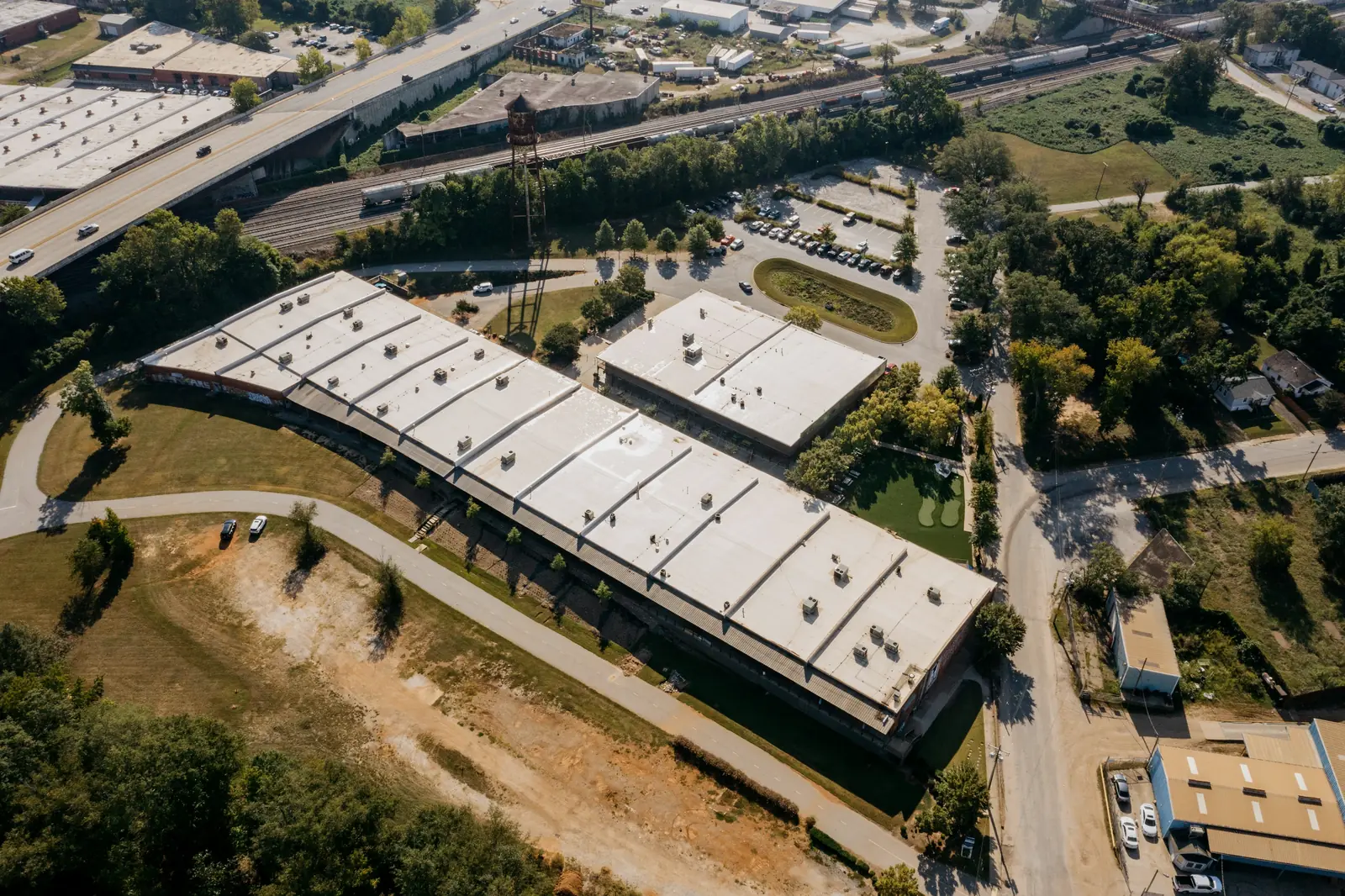
Planned around how your property runs
A commercial roof isn't a bigger house roof. Tenants still need their entrances, deliveries still need the dock, and rooftop units still need to run. Before a crew arrives, we plan staging, dumpster and lift placement, and working hours around your property.
You get one point of contact, a written schedule and notice before anything noisy or anything that blocks access. If tenants need a letter about the project, we'll draft it for you to send.
On HOA and multifamily sites, that also means notices residents actually see, a parking plan for each building and a crew that cleans up at the end of every day, not just the last one.
Low-slope systems we install
Most flat and low-slope roofs in central Iowa use one of these. The right choice depends on the building, what's on the roof now and how the space below is used. Sometimes the answer is a repair to the system you already have, and we'll say so.
| System | Strengths | Watch for | Common on |
|---|---|---|---|
| TPO | Heat-welded seams, reflective white surface | Seam quality depends on the installer | Retail, offices, warehouses |
| EPDM | Flexible in cold, long track record | Seams rely on tape and adhesive | Older flat roofs, additions |
| Modified bitumen | Multi-ply, tough under foot traffic | More seams; needs careful detailing | Smaller roofs, mixed-use buildings |
| Metal retrofit | Long life, sheds snow well | Fasteners and laps need periodic checks | Pre-engineered metal buildings |
What property managers get from us
- Photo reports by roof sectionEvery inspection and repair is documented with photos tied to a roof plan, so you can see where work was done.
- Written proposals with optionsRepair, partial replacement or full replacement, with the trade-offs laid out for owners and boards.
- Certificates of insuranceWe're Iowa-registered and fully insured, and we provide certificates of insurance on request before work starts.
- Maintenance plansScheduled spring and fall inspections, drain and scupper clearing, seam and flashing checks, and a look after major storms.
- Multifamily and HOA shingle roofsBuilding-by-building phasing with resident notices, parking plans and daily cleanup.
Storm damage and commercial claims
Hail on a low-slope roof doesn't always show on the surface. It can fracture membranes, crack aging EPDM and crush the insulation board underneath. We document damage with photos and measurements and, where needed, core cuts to see what's under the membrane.
We'll meet your adjuster on site and provide the paperwork your insurer and ownership group need. Commercial claims involve more parties and larger scopes, so a clear record from the first visit matters.
Winter is the other big test. Clogged drains and scuppers turn into ponding ice, and snow drifts deep behind parapets and rooftop units. A fall maintenance visit that clears drains and checks seams before the freeze prevents a lot of January leak calls.
How a commercial project runs
Roof survey
We walk the roof, check drains, edges, flashing and rooftop unit curbs, and take cores if the layers are in question.
Proposal
You get a written scope with options, materials and a schedule.
Pre-construction planning
We agree on staging, access, safety and tenant communication with you before day one.
Installation
Secured work areas, daily cleanup and regular updates to your contact person.
Closeout
Final walk, photo documentation and warranty paperwork for your files.
For a leak at a commercial property, call or text (515) 555-0147. After storms, emergency tarping and temporary repairs are available any time, so water stays out of tenant spaces.
Questions about commercial roofing
Can you work while the building is occupied?
Yes, that's the norm. We plan work areas, overhead protection and access around business hours and keep entrances and fire lanes open. The loudest work, like tear-off, can be scheduled when it disrupts tenants least.
Do you handle apartment and townhome communities?
Yes. Multifamily and HOA properties often have many shingle roofs on one site. We phase replacements building by building, coordinate with your board or manager, and give residents notice before work reaches their unit.
Should we repair or replace our flat roof?
It depends on how much of the roof is wet or damaged and how many layers are already there. If damage is limited and the insulation is dry, repairs or a partial replacement can buy years. Wet insulation spread across the roof usually means replacement, and core cuts tell us which you have.
Can a new roof go over the existing one?
Sometimes. Code limits how many roof layers a building can have, and a recover only makes sense if the existing insulation is dry and the deck is sound. We check both before recommending it.
How often should a commercial roof be inspected?
Twice a year, spring and fall, plus after any major hail or wind. Most low-slope problems start small: a clogged drain, an open seam, a puncture from HVAC service traffic. Catching them early costs far less than replacing wet insulation.
Related services
See all services-
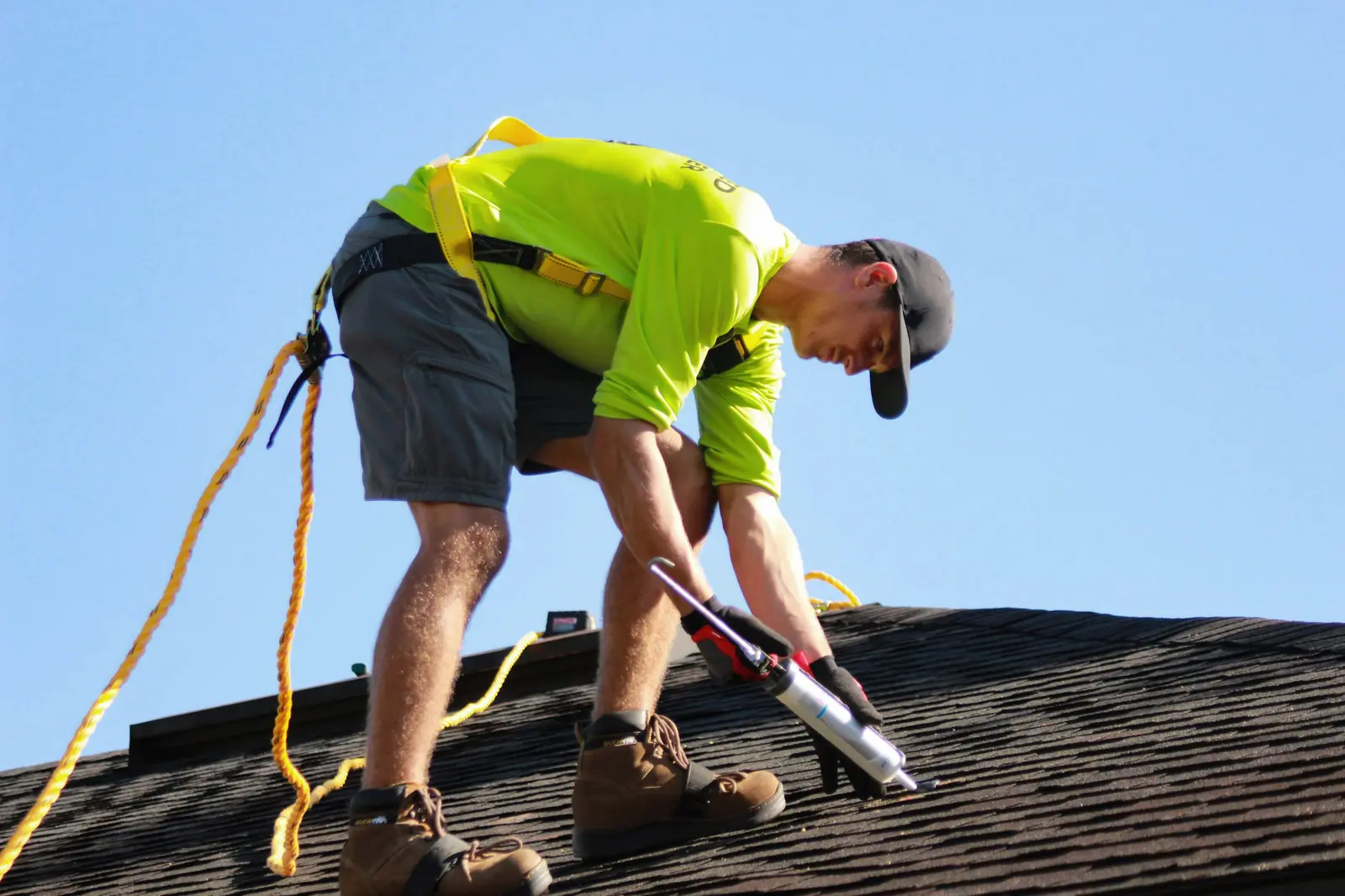 Roof repair
Leaks, wind-lifted shingles, flashing and pipe boots fixed at the source, with photos.
-
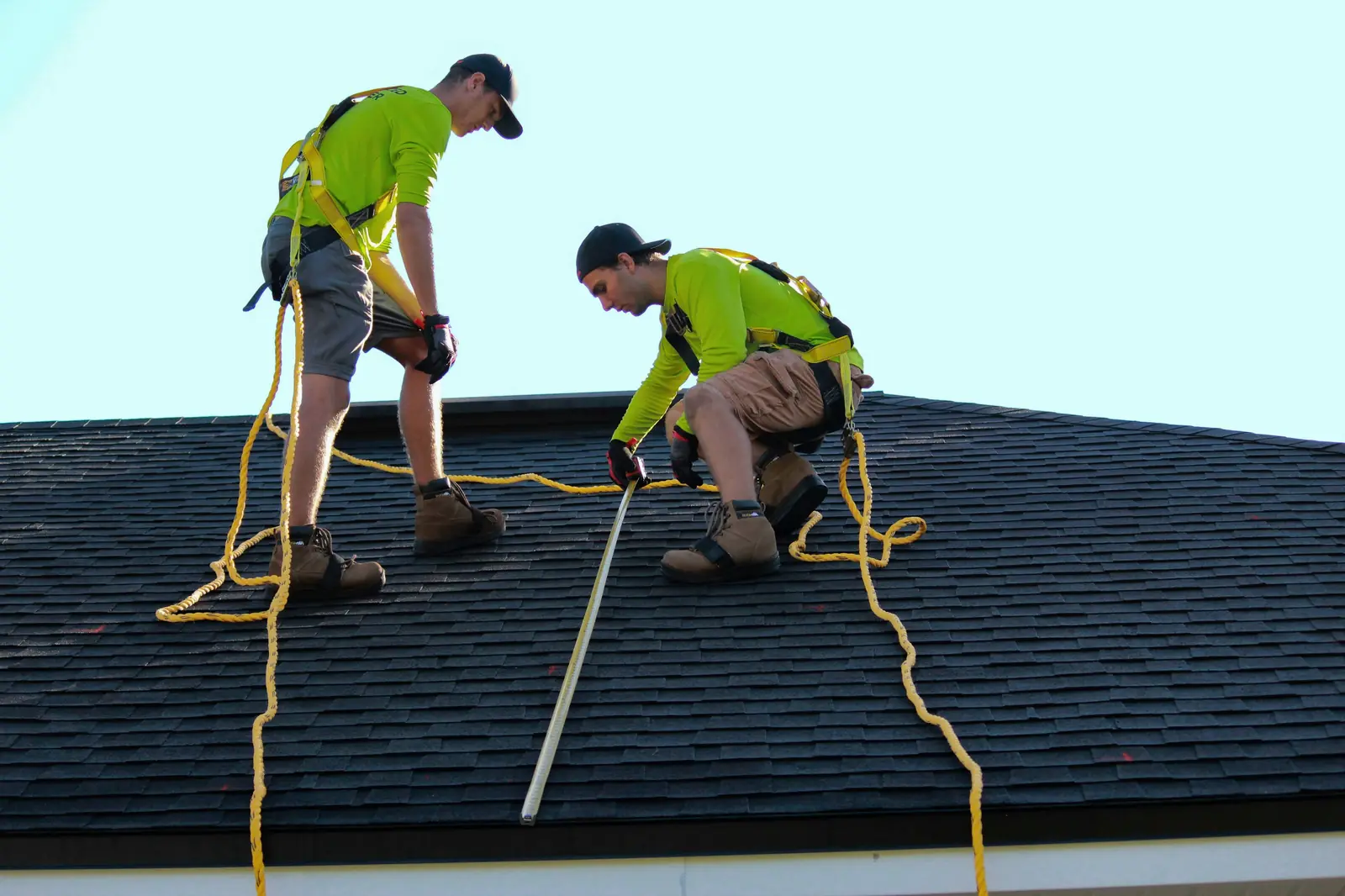 Roof inspection
Free inspections with photos of every slope, an attic check and a written summary.
-
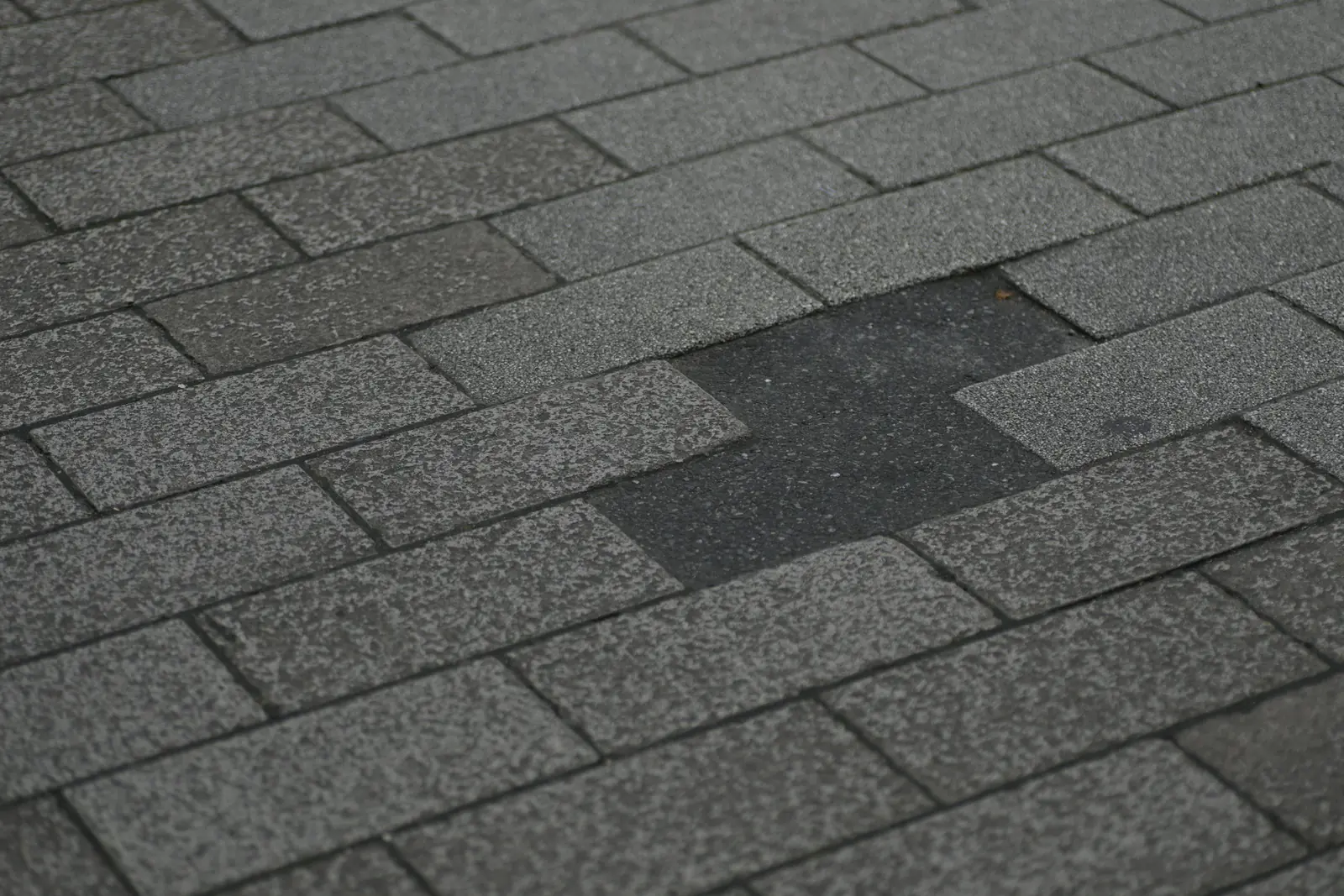 Storm damage and insurance claims
Emergency tarping, hail and wind damage documentation, and help with your insurance claim.
Get a commercial roof assessment
Tell us what you're seeing and we'll schedule a visit, usually within a few days. You get photos and a written estimate either way, with no pressure to sign anything.
- (515) 555-0147Call or text, Mon–Fri 7am–7pm, Sat 8am–4pm
- [email protected]
- Storm emergencyCall any time for tarping