
Roof and attic ventilation
A roof that can't breathe wears out early. We measure your attic, balance intake and exhaust, and fix the airflow problems behind ice dams, attic frost and hot upstairs rooms.
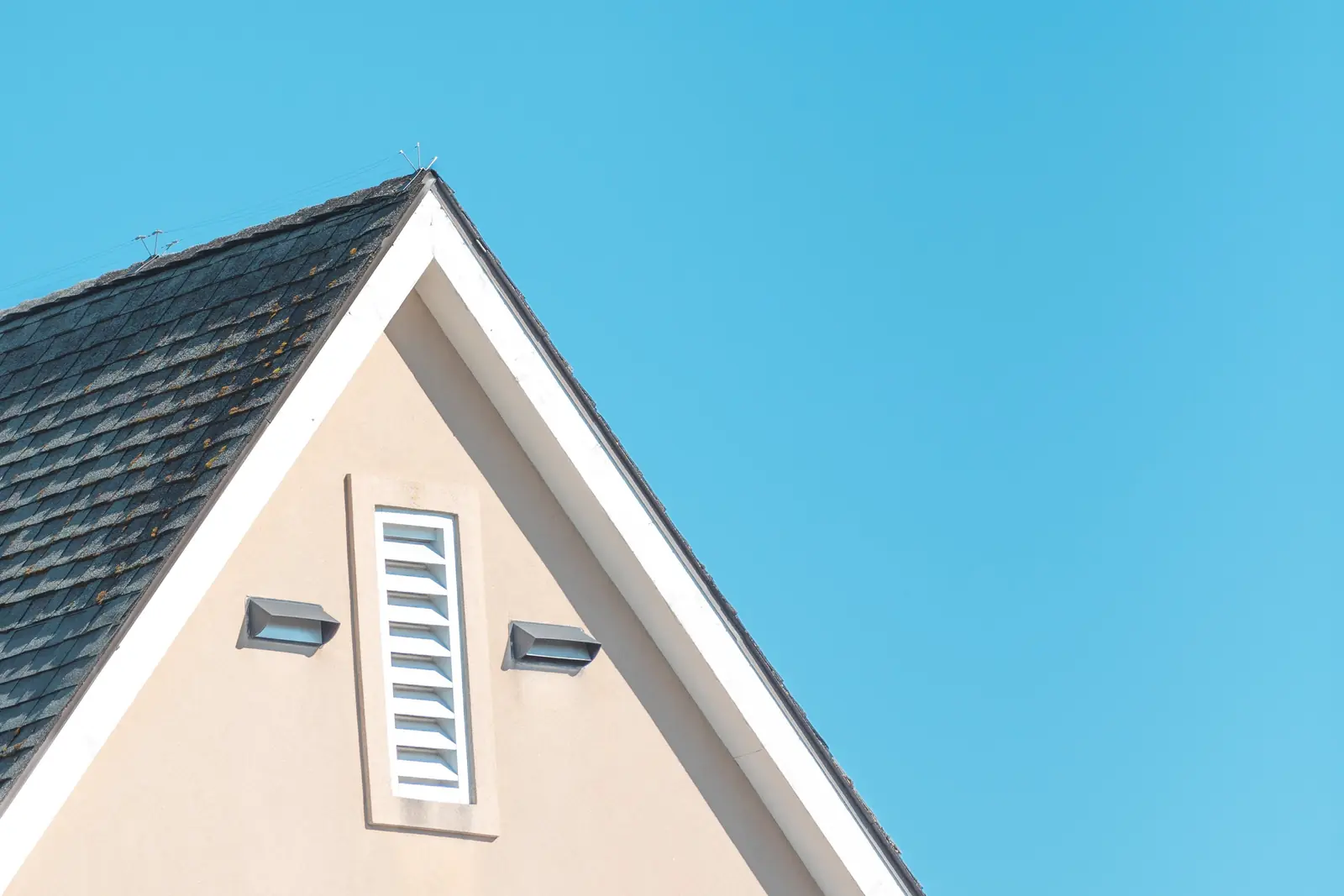
Why attic airflow matters in Iowa
Central Iowa puts an attic through both extremes. On a July afternoon, sun on the shingles can bake a poorly vented attic far hotter than the air outside, which cooks the shingles from below and makes upstairs rooms hard to cool.
In winter, warm, moist air from the house leaks into the attic and condenses on the cold underside of the deck. First comes frost, then dripping, then mold and rotting plywood. A warm attic also melts snow on the roof, and that water refreezes at the eaves as ice dams.
Ventilation affects your warranty too. Most shingle manufacturers require proper attic ventilation as a condition of their material warranty.
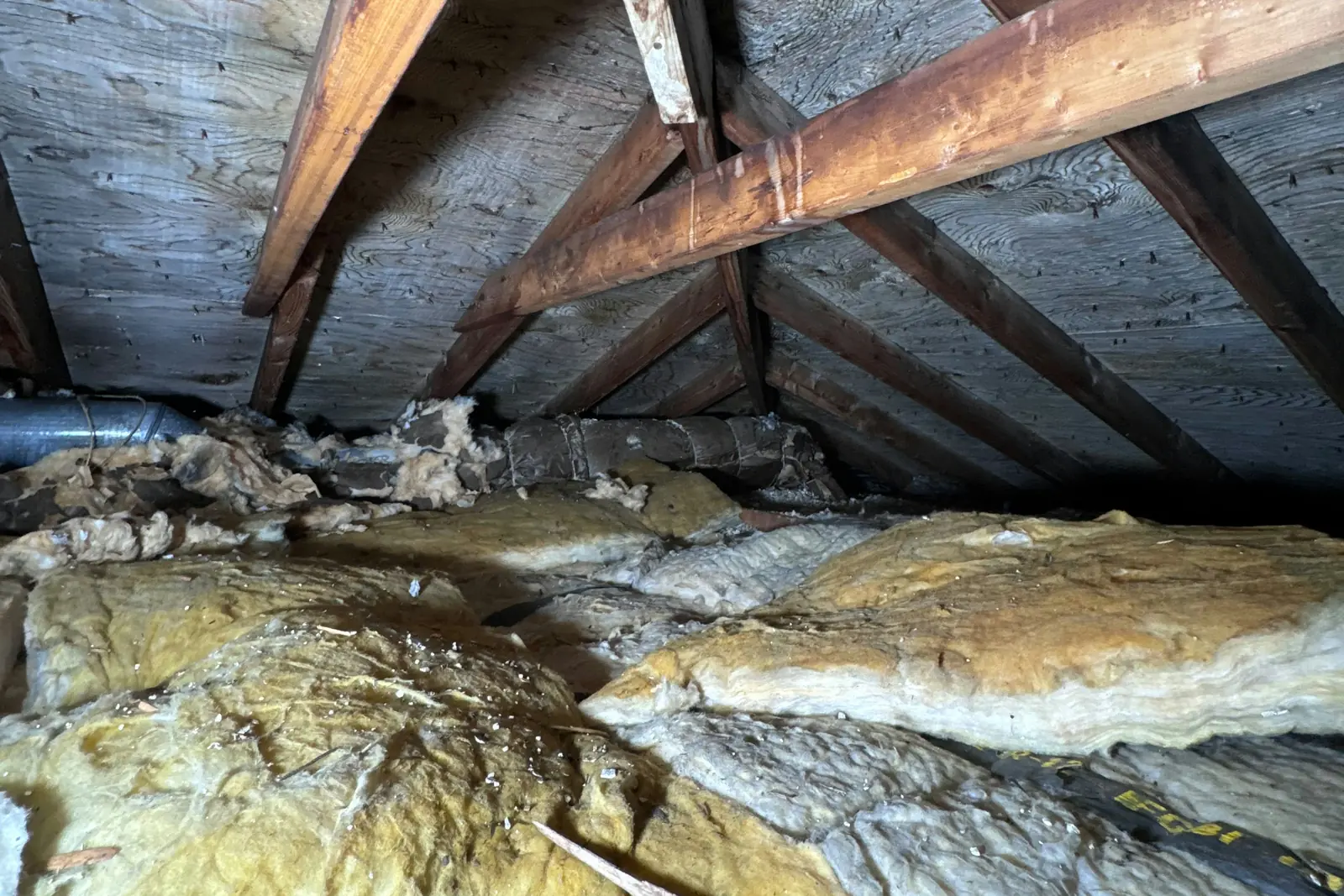
Signs your attic isn't venting well
- Ice dams and heavy iciclesThick ice at the eaves after snow means heat is reaching the roof deck and melting snow higher up. Our ice dam guide explains the cycle.
- Frost on nail tipsOn a cold morning, look at the underside of the roof deck. White frost on the nails and plywood is trapped moisture.
- Dark staining or mold on the deckBlack or gray patches on the plywood, often near the ridge or on north slopes, point to condensation over many winters.
- Shingles aging too fastCurling, blistering or early granule loss on a roof that should have years left can come from attic heat.
- Hot upstairs roomsIf the second floor stays warm long after sundown, the attic above is likely holding the day's heat.
Intake, exhaust and the numbers behind them
Ventilation works as a loop. Cooler air comes in low at the soffits and warm air leaves high near the ridge. Both halves matter: exhaust without enough intake pulls air from wherever it can, including conditioned air from your living space.
The code baseline is 1 square foot of net free vent area for every 150 square feet of attic floor. That can drop to 1 per 300 when intake and exhaust are balanced and other code conditions are met. For a 1,500-square-foot attic at 1/300, that's 5 square feet (720 square inches), split roughly evenly between soffit intake and exhaust.
We also look for the usual culprits: insulation packed against the soffits, soffit vents painted shut, and bathroom fans that dump moist air into the attic instead of outside.
Types of roof exhaust vents
Exhaust is only half the system, and mixing exhaust types on one attic can short-circuit the airflow. We usually recommend sticking to one.
| Vent type | How it works | Good for | Watch out for |
|---|---|---|---|
| Ridge vent | Continuous opening along the peak | Most gable roofs | Needs enough soffit intake |
| Box vents | Static vents set near the ridge | Hip roofs, short ridges | Several needed to match area |
| Turbine vents | Wind spins it, pulling air out | Open, windy lots | Less airflow on calm days |
| Power vents | Electric fan on a thermostat | Attics with little ridge length | Can pull air from living space |
How we fix ventilation
Measure
We measure the attic floor and count and size every existing intake and exhaust vent.
Check from inside
We confirm the soffit vents actually open into the attic and that insulation isn't blocking them.
Plan a balanced system
You get a written plan with intake and exhaust sized to your attic.
Install
We add or replace vents, fit baffles where insulation blocks airflow and close off vents that would short-circuit the new setup. On a full replacement, this is part of the job.
Questions about roof ventilation
Can ventilation be added without a new roof?
Usually, yes. A ridge vent can be cut into an existing roof, box vents can be added, and soffit intake can be opened up from below. On an older roof, it often makes sense to plan ventilation with the next replacement.
Should I add a powered attic fan?
Sometimes, but rarely as the first fix. A power fan without enough intake pulls conditioned air out of the house through ceiling gaps and light fixtures. We'd rather balance passive intake and exhaust first.
Will better ventilation stop ice dams?
It helps a lot, but air sealing and insulation matter just as much. Ice dams start when house heat gets into the attic. Ventilation carries away the heat that leaks in, while sealing and insulation (usually an insulation contractor's job) keep it from leaking in.
My house has almost no soffit. Can it still be vented?
Yes. Homes with little or no overhang can use intake vents installed along the roof edge, under the first courses of shingles. We'll show you the options during the inspection.
Do ridge vents let in rain or snow?
A properly installed ridge vent with an external baffle sheds rain and most blowing snow. Fine powder in a hard wind can occasionally get through any vent, but small amounts dry out quickly in a well-vented attic.
Related services
See all services-
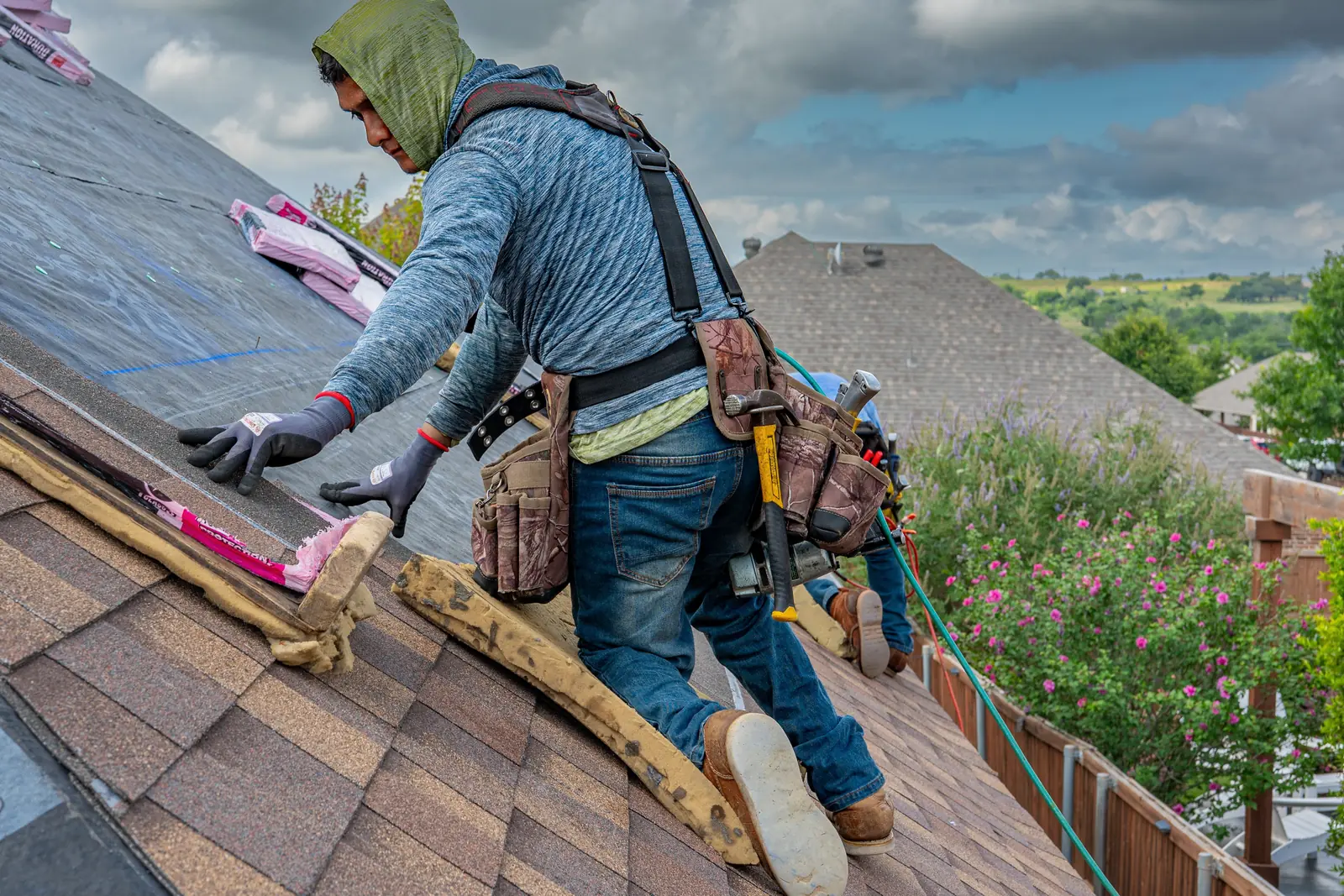 Roof replacement
Full tear-off, new underlayment and flashing, usually done in one day.
-
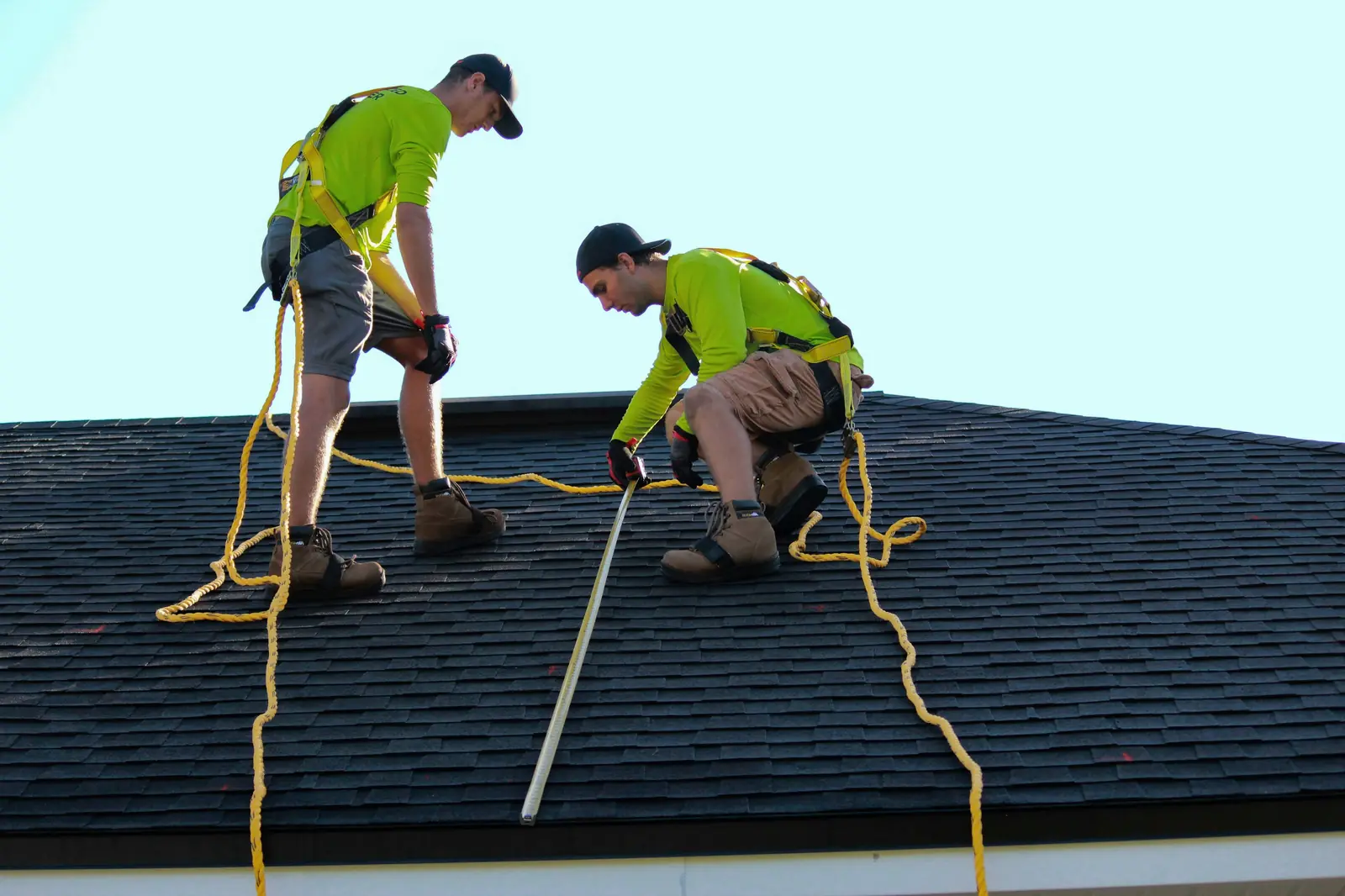 Roof inspection
Free inspections with photos of every slope, an attic check and a written summary.
-
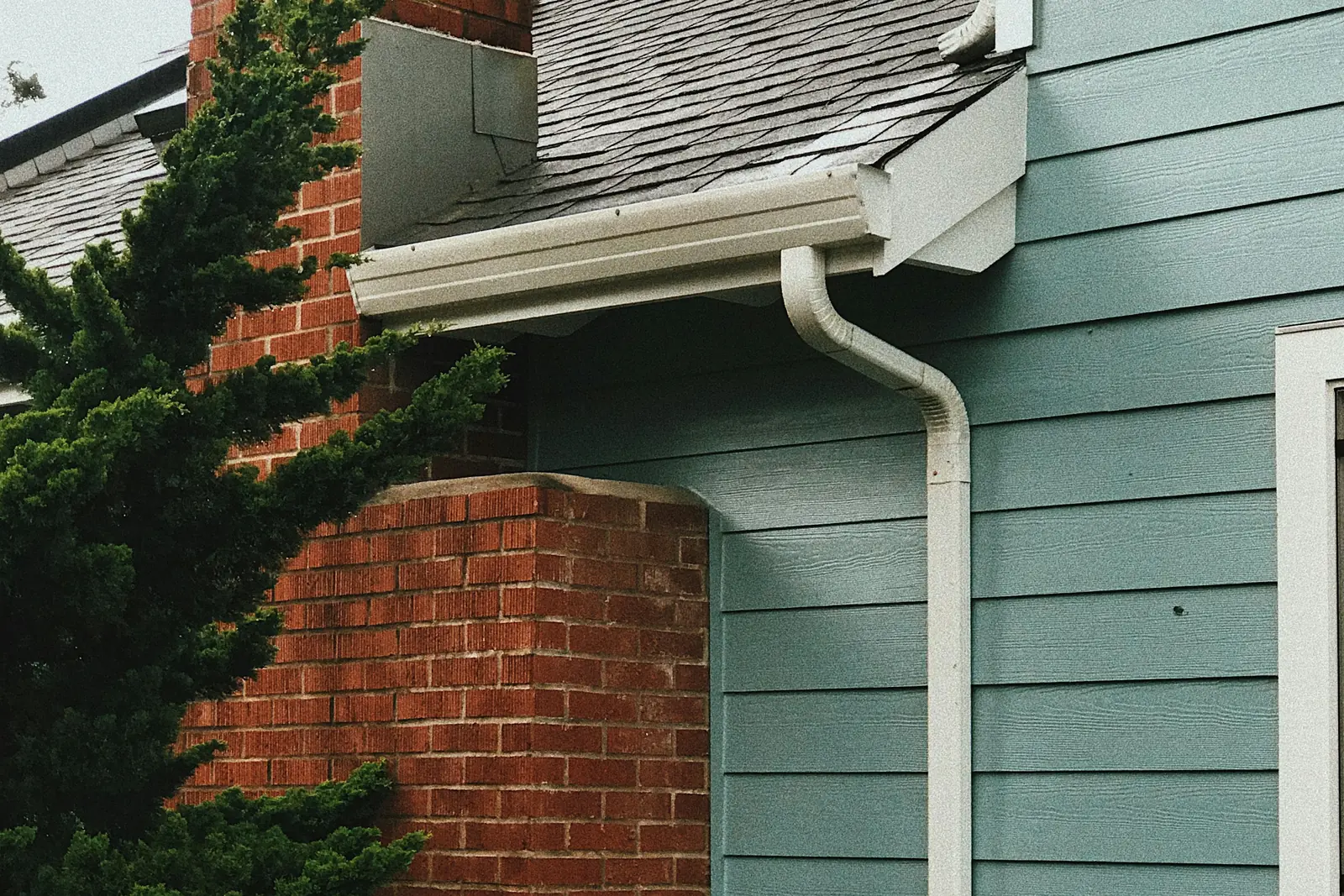 Gutters
Seamless aluminum gutters formed on site, right-sized downspouts and guards that cut cleaning.
Book your free inspection
Tell us what you're seeing and we'll schedule a visit, usually within a few days. You get photos and a written estimate either way, with no pressure to sign anything.
- (515) 555-0147Call or text, Mon–Fri 7am–7pm, Sat 8am–4pm
- [email protected]
- Storm emergencyCall any time for tarping